
- Broward County Certified
30-Year Building Recertification Fort Lauderdale
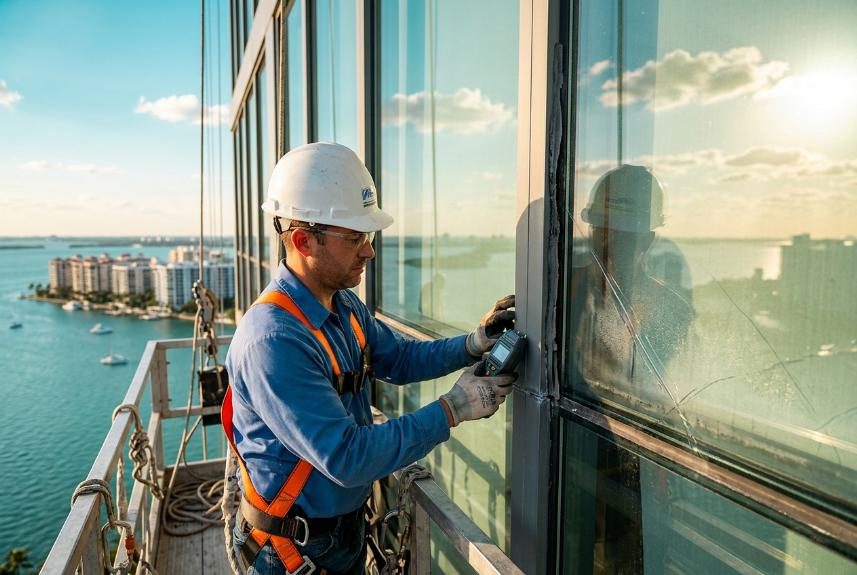
A 30-year recertification is Florida law — not optional. Souffront Construction & Engineering delivers licensed structural and electrical inspections for Fort Lauderdale property owners, HOAs, and commercial buildings facing this milestone deadline.
40 Years in Florida
2,478+ Projects Completed
5,454 Inspections Performed
Licensed PE & GC
What Is Florida's 30-Year Recertification?
Florida requires buildings to undergo a structural and electrical recertification inspection once they reach 30 years of age, with follow-up inspections every 10 years after that. The requirement exists to catch structural deterioration, electrical hazards, and code deficiencies before they become safety risks — a lesson written into law after the 2021 Surfside collapse exposed the cost of deferred building maintenance.
Because Fort Lauderdale sits largely within 3 miles of the coastline, many local buildings actually fall under the accelerated 25-year threshold rather than 30 — a distinction that trips up a lot of property owners and HOA boards. Souffront confirms which deadline applies to your specific address before any work begins.
- Building Type
- Coastal (within 3 miles)
- Non-coastal / statewide standard
- Pre-1982, already on 40-Year Program
- First Recertification
- Age 25
- Age 30
- Existing schedule continues
- Follow-Up Interval
- Every 10 years
- Every 10 years
- Every 10 years
What the Recertification Inspection Covers
Structural Systems
Electrical Systems
A licensed electrical engineer evaluates panels, wiring, and distribution systems for safety and compliance with current code.
Parking Structures
Life Safety & Accessibility
Fire safety systems and accessibility standards are reviewed to confirm the building remains functional and safe for occupants.
The Two-Phase Recertification Process
Every 30-year recertification in Fort Lauderdale follows the same statutory process — no shortcuts, no guesswork.
Notice Received
The building owner receives an official Notice of Required Recertification and must submit the completed report within 90 days.
Phase One Inspection
A licensed engineer visually examines habitable and non-habitable areas to assess structural condition. If no significant deterioration is found, the report is submitted and the process ends here.
Phase Two (If Needed)
If Phase One reveals substantial deterioration, a more detailed inspection follows — including destructive and non-destructive testing to confirm structural integrity and scope needed repairs.
Report & Certification
Souffront delivers a signed and sealed engineering report with findings and recommendations, ready for submission to Fort Lauderdale building officials.
Remediation (If Required)
If deficiencies are identified, our construction team can execute the necessary repairs — from concrete restoration to electrical upgrades — under one roof.

How the 30-Year Compares to Other Florida Milestones
The 30-year recertification is one of several structural safety milestones a Florida building may face over its lifespan. Here’s how it fits alongside the others — and where to go if a different deadline applies to your property.
Unlike the 40-year program — Florida’s original recertification standard dating back decades — the 30-year threshold was introduced to catch structural and electrical issues earlier in a building’s life, particularly for coastal properties exposed to salt air and humidity. Souffront handles every stage of this timeline, from a building’s first 25 or 30-year inspection through every 10-year follow-up after.
Fort Lauderdale's Recertification Experts
Our reports are signed and sealed by a Florida-licensed Professional Engineer — required for buildings four stories or taller.
If deficiencies are found, our licensed GC team can execute repairs immediately — no separate bidding process required.
We know the coastal recertification thresholds, local building officials, and permitting timelines specific to Broward County.
Four decades of experience with Florida’s aging building stock and evolving recertification requirements.
No surprise change orders. Every quote outlines scope and cost before work begins, so HOA boards can budget with confidence.
We use infrared thermography and modern diagnostic tools to catch deficiencies faster and more accurately than a visual inspection alone.
You’ll always know where your recertification stands — no chasing down updates or wondering what happens next.
Trusted by Companies and Homeowners Associations












30-Year Recertification — FAQS
What is the 30-year recertification in Florida?
The 30-year recertification is a mandatory structural and electrical inspection required once a building reaches 30 years of age, ensuring it remains safe for continued occupancy. Buildings within 3 miles of the coastline must recertify at 25 years instead, with follow-up inspections every 10 years after.
Does the 30-year recertification apply to buildings in Fort Lauderdale?
Yes. Fort Lauderdale buildings fall under Florida’s recertification law. Because much of the city sits within 3 miles of the coastline, many buildings there actually fall under the 25-year threshold rather than 30 — we confirm which applies to your property before beginning work.
Who is qualified to perform a 30-year recertification inspection?
Buildings three stories or under 50 feet can be inspected by any Florida-licensed architect or structural engineer. Buildings four stories or taller — or classified as threshold buildings — require a licensed structural engineer, plus a licensed electrical engineer for electrical systems.
What happens if my building misses the recertification deadline?
Missing the deadline can trigger fines, code enforcement action, and potential breach-of-fiduciary-duty exposure for HOA or condo board members. Owners must submit their completed report within 90 days of receiving the official notice.
What does the inspection cover?
The inspection evaluates structural systems — foundation, columns, beams, slabs, roof framing, façade — and electrical systems for code compliance. If Phase One reveals significant deterioration, a more detailed Phase Two inspection follows with destructive and non-destructive testing.
How long does the process take?
A standard Phase One inspection typically takes a few weeks from scheduling to report delivery, depending on building size. If a Phase Two inspection is required, the timeline extends to allow for detailed structural testing and analysis.
Is my property exempt from the recertification requirement?
Single-family homes, duplexes, and buildings with fewer than 10 occupants or under 2,000 square feet are generally exempt. Most commercial buildings, condominiums, hotels, and multi-family properties over 30 years old must comply.


Ready for Your 30-Year Building Recertification?
Souffront handles the entire 30-year building inspection and recertification process from start to finish — including structural and electrical inspections, engineering reports, compliance documentation, and required repairs. With everything managed under one licensed firm, you avoid coordinating multiple contractors and engineers while keeping your property on track for compliance.
Whether you manage a condominium, commercial property, or multifamily building, our team provides the expertise needed to identify deficiencies, complete necessary repairs, and move your recertification forward efficiently.
Serving Fort Lauderdale, South Florida, and property owners throughout Florida. Contact Souffront today to schedule your 30-year building inspection.