
- Broward County Certified
Balcony Inspections in FLorida
Souffront Construction & Engineering delivers PE-certified balcony inspection Florida property owners trust — DBPR HR-7020 compliant reporting, statewide coverage, and 40+ years of structural engineering experience behind every certificate we sign.
- Licensed Professional Engineers · Statewide Florida

Why Florida Balcony Inspections Matter
Florida law does not treat balconies as decorative afterthoughts. Under Florida Statute 509.2112, any public lodging establishment three stories or taller — hotels, motels, condominiums, and short-term rental buildings alike — must file a Certificate of Balcony Inspection (DBPR Form HR-7020) at least once every three years. The certificate can only be signed by a licensed professional engineer or architect qualified to evaluate structural integrity, which is exactly the role Souffront Construction & Engineering plays for property owners across the state.
Our balcony inspection Florida clients rely on us for more than a signature. Salt air, humidity, and decades of coastal exposure attack fasteners, framing, and railings long before a failure becomes visible to the untrained eye. A rigorous, engineer-led inspection catches those problems while they are still inexpensive to correct — protecting residents, guests, and the building’s insurability in the process.
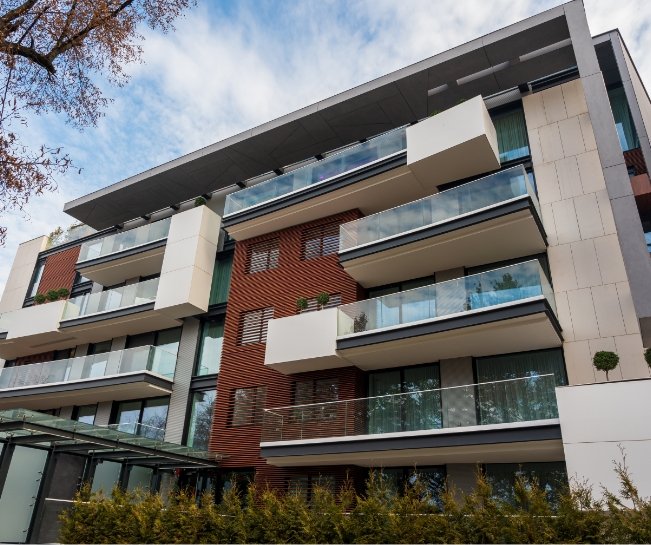
Whether your property sits along the coast in Fort Lauderdale, inland near Orlando, or up in Jacksonville, our engineers travel to you. Souffront holds PE Registry #37653, GC License #CGC1524932, and Electrical Contractor License #EC13012197, giving us the multidisciplinary authority to inspect, document, and — if repairs are needed — design the fix under one roof.
Understanding Florida Statute 509.2112
The rule sounds simple on paper: inspect, certify, and refile every three years. In practice, the statute carries several nuances that trip up property managers who haven’t worked through a cycle before.
The requirement applies to any public lodging establishment — a defined legal term covering hotels, motels, timeshares, and vacation rentals — that stands three stories or higher above grade. The very first certification cycle began January 1, 1991, and the three-year clock has been running ever since, which means a lapsed or misplaced certificate can leave an otherwise well-maintained property out of compliance without anyone realizing it until a routine license renewal flags the gap.
The statute also draws a firm line on who may sign the certificate. It must be a design professional — a Florida-licensed engineer or architect — competent to evaluate the specific structural systems involved. A general contractor, property manager, or handyman cannot self-certify, no matter how experienced they are with the building. That single requirement is why property owners search for a qualified engineer for balcony structural analysis rather than attempting the process in-house.
Finally, the statute is enforced through Section 509.261, which authorizes the Division of Hotels and Restaurants to levy fines, suspend, or revoke an operating license for non-compliance. Because the penalty attaches to the property’s ability to legally operate — not just a paperwork fine — most owners treat their balcony inspection Florida deadline with the same urgency as a fire-safety or elevator certification.
Balcony Inspections vs. Milestone & 40-Year Recertification
Property managers frequently confuse balcony certification with the other structural filings Florida requires, so it helps to see how each program fits together.
Applies to public lodging buildings three stories or taller. Filed every three years. Focused specifically on balconies, platforms, stairways, and railings.
A statewide structural and life-safety review triggered by a condominium or cooperative building’s age, covering the entire building envelope — not just balconies.
A Miami-Dade and Broward County ordinance requiring full structural and electrical recertification of older buildings, distinct from the statewide balcony statute.
Many of our clients need more than one of these filings in the same year. Because Souffront’s engineers handle balcony inspections, Milestone Inspections, and Project Oversight under one firm, we can often bundle site visits and share documentation across filings — saving your association time and inspection fees.
Who Needs a Balcony Inspection in Florida?
If your building falls into any of the categories below, a current DBPR HR-7020 certificate is not optional — it is a licensing requirement enforced by the Division of Hotels and Restaurants.
Any public lodging establishment three stories or higher must file inspection certificates every three years without exception.
Association boards are responsible for scheduling balcony engineers before certificates lapse, alongside milestone and recertification obligations.
Airbnb and vacation rental properties operating as public lodging fall under the same 509.2112 requirements as traditional hotels.
A fresh balcony inspection Florida certificate is frequently requested during due diligence on commercial real estate transactions.
What Our Balcony Engineers Examine
Every Souffront balcony inspection follows a structured, component-by-component methodology so nothing gets overlooked — and so your report stands up to scrutiny from DBPR, insurers, and future buyers alike.
Condition of the finished surface, entry thresholds, drainage slope, and connection points to the building envelope.
Ledger boards, joists, beams, posts, and every fastener holding the assembly to the primary structure.
Handrail condition, baluster spacing, attachment integrity, and compliance with current life-safety code height requirements.
Treads, risers, stringers, and stairwell railings connected to or serving the balcony structure.
Moisture barrier condition at the wall-to-deck transition, a leading cause of hidden structural decay in Florida’s climate.
Close inspection of every metal connector for the rust and section loss that saline air accelerates near the coast.
Defects We Find Most Often
Two decades of balcony inspection Florida field data point to a handful of recurring problems. Catching them early is the difference between a minor repair and a full structural rebuild.
Humid, saline air accelerates metal degradation — the single most common finding on coastal buildings from Fort Lauderdale to Jacksonville.
Trapped moisture invites wood-destroying fungi that can compromise a deck from beneath the surface, invisible until failure.
Improperly fastened or missing spindles create a genuine fall hazard and are among the fastest items flagged for correction.
Water intrusion through hairline cracks accelerates every other defect on this list if left unaddressed.
Short, aged, or missing flashing lets water reach the framing long before any visible damage appears.
Hurricane season regularly exposes latent balcony damage that a scheduled inspection can catch before it worsens.
Our Balcony Inspection Process
Souffront Construction & Engineering built its inspection workflow around one goal: a defensible, engineer-stamped report you can act on immediately.
We confirm unit count, balcony type, and any prior DBPR filings, then schedule a site visit around your building’s operations.
Our engineer for balcony structural analysis physically examines every accessible balcony, railing, and stairway component listed above.
You receive a signed, sealed report detailing every deficiency found, referenced to the applicable code and statute.
We help you complete and file the HR-7020 certificate so your property remains in continuous compliance.
As a licensed GC and engineering firm, Souffront can design and coordinate corrective repairs under one contract.
Once repairs are complete, we return to verify that every flagged deficiency has been fully resolved.
What Happens When You Wait Too Long
A missed balcony inspection Florida deadline rarely announces itself until it becomes a problem. Here’s what tends to happen when certification slips.
Insurance carriers increasingly request current inspection documentation before binding or renewing commercial property coverage. A lapsed certificate can delay a renewal, raise premiums, or in some cases trigger a coverage exclusion for balcony-related claims — an expensive gap to discover after a failure has already occurred.
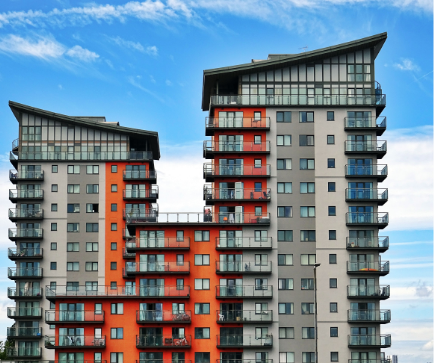
Deferred maintenance compounds quickly in Florida’s climate. A fastener that shows early surface corrosion today can lose meaningful load capacity within a few inspection cycles if it goes unaddressed, turning a modest repair line item into a full framing replacement. Our engineers regularly document this progression across repeat clients, which is exactly why proactive scheduling — rather than waiting for the three-year deadline to force the issue — remains our strongest recommendation.
And for public lodging establishments specifically, an expired certificate is a licensing problem, not just a maintenance one. The Division of Hotels and Restaurants can act on a lapsed HR-7020 filing at any time, independent of whether the balconies themselves show visible distress.
Licensed. Certified. Statewide.
When you hire balcony engineers, you’re trusting them with a legal certification that carries real regulatory weight. Souffront Construction & Engineering has built its reputation over four decades of Florida structural work, and our credentials are verifiable and current:
- PE Registry #37653
- GC License #CGC1524932
- Electrical Contractor License #EC13012197
- Thermographic Level II Certification #271642
- Plumbing License #CFC1433497
- 40+ Years Serving Florida
Working With Condo Associations & Property Managers
Board members and property managers are usually the ones juggling the paperwork, not just the engineering. Souffront works directly with them to keep the process painless.
We provide a single point of contact throughout the engagement, a clear proposal outlining scope and timeline before any site visit is scheduled, and a report format built for easy circulation to boards, unit owners, and insurance carriers alike. If your association is also facing a Milestone Inspection or approaching a Structural Integrity Reserve Study deadline, we can align scheduling so your building isn’t paying for repeat mobilization fees across separate engineering firms.
Statewide Florida Balcony Inspection Coverage
Souffront Construction & Engineering performs florida balcony inspections in all 67 counties, including concentrated coverage as a balcony inspection engineer Fort Lauderdale property owners call first, plus regular projects delivering FL balcony inspections Jacksonville and throughout South and Central Florida.
- Fort Lauderdale
- Miami-Dade
- Broward County
- Jacksonville
- Orlando
- Tampa
- West Palm Beach
- Naples
- Sunrise
- Statewide Florida

How to Prepare for Your Balcony Inspection
A little preparation shortens the site visit and helps your engineer for balcony structural analysis produce a cleaner, faster report.
Locate your last HR-7020 certificate, any previous engineering reports, and records of past balcony repairs so our team can compare current findings against history.
Confirm that every balcony — including units where tenants may restrict entry — will be accessible on inspection day to avoid a costly follow-up visit.
Remove large furniture, planters, or storage items blocking railings, decking, or structural connections wherever possible before our engineers arrive.
Flag any balconies with visible cracking, sponginess underfoot, or railing movement in advance so they receive focused attention during the visit.
Most condominium associations coordinate a single building-wide access day with property management, which lets our balcony engineers complete an entire high-rise in far less time than piecemeal, unit-by-unit scheduling.
Balcony Inspection FAQs
How often does Florida require balcony inspections?
Public lodging establishments three stories or taller must file a Certificate of Balcony Inspection every three years under Florida Statute 509.2112, with the first certification cycle dating back to 1991.
Who is legally allowed to perform a balcony inspection?
Only a licensed professional engineer or architect qualified to assess structural components may sign a DBPR HR-7020 certificate. Souffront’s engineer for balcony structural analysis holds an active Florida PE registration.
What is form DBPR HR-7020?
It is the official Certificate of Balcony Inspection issued by the Division of Hotels and Restaurants, confirming that all balconies, platforms, stairways, and railings at a property have been inspected and found safe.
What happens if a property fails to file on time?
Under Florida Statute 509.261, non-compliance can trigger administrative fines, license suspension, or in severe cases revocation of the establishment’s operating license.
Are coastal buildings held to a stricter standard?
The statutory three-year cycle applies statewide, but buildings near the coastline face accelerated corrosion and moisture damage, which is why many owners in Fort Lauderdale and similar markets schedule inspections proactively rather than waiting for the filing deadline.
How much does a Florida balcony inspection cost?
Pricing depends on balcony count, building height, structure type, and accessibility, with condominium high-rises typically costing more than a single-story motel due to the sheer number of units involved. Contact Souffront for a written quote scoped to your specific property rather than relying on a generic per-unit estimate, since access conditions and prior deficiency history can shift the final cost.
Can I inspect my own building's balconies?
No. Florida law requires certification by a licensed engineer or architect. Self-inspection does not satisfy the DBPR HR-7020 filing requirement, even for minor properties, and a certificate signed by an unqualified party can be rejected outright — leaving the building out of compliance and forcing a second, delayed inspection.
What if the inspection finds deficiencies?
Your report will itemize every defect found, from corroded fasteners to failing flashing, along with a recommended course of action for each item. Souffront can then design and, as a licensed GC, help execute the corrective repairs before returning to re-inspect the property and confirm the deficiencies have been resolved.
What's the difference between a balcony inspection and a Milestone Inspection?
A balcony inspection under 509.2112 looks specifically at balconies, platforms, stairways, and railings on public lodging buildings. A Milestone Inspection is a broader, age-triggered structural review of the entire condominium building envelope. Many properties need both, and Souffront can coordinate the two to minimize duplicate site visits.
Does hurricane damage require an inspection outside the normal three-year cycle?
Yes, in practice. While the statute sets a three-year filing cycle, prudent property managers schedule an off-cycle balcony inspection Florida visit after any major storm to catch wind or water damage before the next scheduled certification comes due.
Does Souffront serve my county?
Yes. Souffront Construction & Engineering is licensed to perform florida balcony inspections across all 67 counties, with dedicated coverage as a balcony inspection engineer Fort Lauderdale trusts and regular work delivering FL balcony inspections Jacksonville and beyond.






Protect your residents, your guests, and your DBPR compliance status. Souffront Construction & Engineering’s licensed balcony engineers deliver sealed, defensible inspection reports statewide — backed by 40+ years of Florida structural engineering experience. Call now or request a quote online to schedule your inspection before your certificate expires.