
The Importance of Broward County 40-Year Recertification
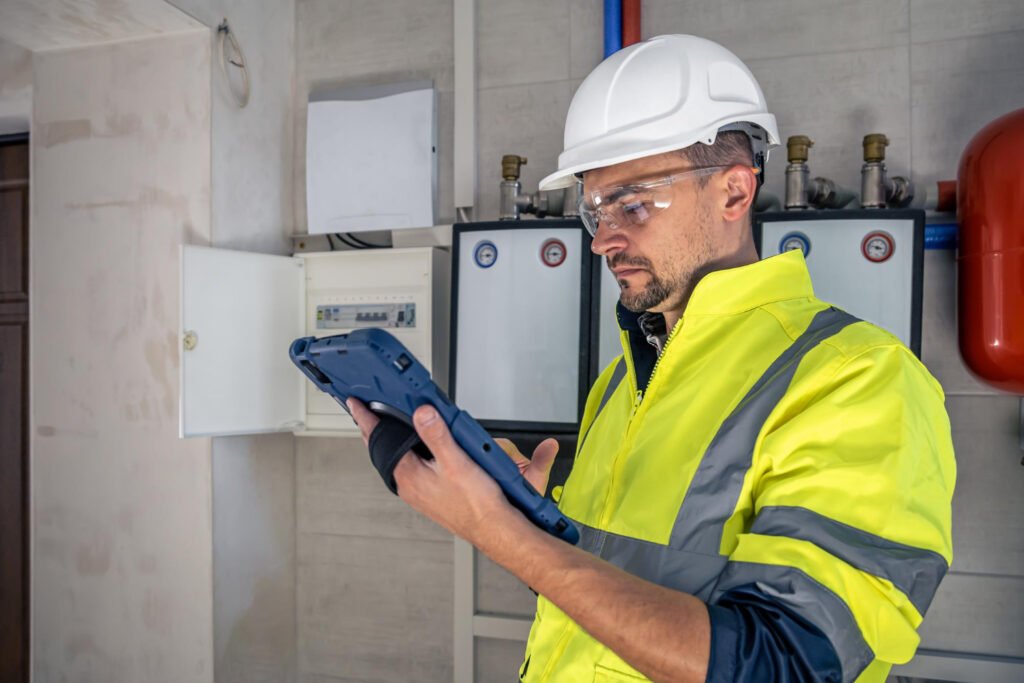
Introduction If you own or manage a building in Broward County, Florida, reaching the 40-year milestone is more than just a marker of age—it’s a regulatory turning point. Every structure that hits its 40-year anniversary (and every 10 years thereafter) must undergo a thorough structural and electrical inspection to ensure it remains safe and habitable. 40-Year Building Recertification Inspection experts specialize in ensuring the structural and electrical safety of aging buildings. With in-depth knowledge of local regulations, these professionals conduct thorough inspections to help property owners meet compliance standards, avoid penalties, and maintain occupant safety. Trust their expertise to navigate the recertification process smoothly and efficiently. In this guide, we’ll break down what this process involves, who it affects, and how you can prepare effectively, ensuring the safety and longevity of your property. What Is the 40-Year Recertification? The Broward County 40 year building recertification is a mandated inspection program that requires older buildings to prove their ongoing structural integrity and electrical safety. Initiated after the devastating collapse of a Miami-area parking garage in the 1970s and later influenced by the 2021 Surfside tragedy, the goal of this ordinance is to protect public safety and maintain building standards. This requirement is overseen by the Broward County Building Safety Inspection Program and enforced at the city level. Buildings are notified via certified mail and must complete the process within a designated timeframe after notification—usually 90 to 180 days. The program requires independent, licensed professionals to inspect building systems and prepare detailed reports. These reports are then reviewed by local building departments, who either approve the certification or request follow-up actions. Who Needs It & When It’s Required The 40-year recertification is not a one-size-fits-all requirement. It specifically targets older buildings that are more likely to experience age-related deterioration. The intent is to ensure that such structures remain safe for occupants and the public. Buildings Required to Recertify: All structures 40 years or older (except single-family homes and duplexes) Multi-family residential buildings such as condominiums and apartments Commercial and industrial properties Public facilities, including schools and government buildings Timelines: Initial recertification occurs at 40 years from the date of the Certificate of Occupancy. Follow-up inspections are required every 10 years thereafter (i.e., at 50, 60, 70 years, etc.). Owners should begin preparations at least six months before the deadline. Early planning allows for a smoother process, particularly if the inspection uncovers issues that require time to resolve. Inspection Requirements & Scope The 40-year recertification consists of two critical evaluations that work in tandem to assess a building’s structural soundness and electrical safety. 1. Structural Inspection: This inspection ensures that the physical integrity of the building is uncompromised. It includes: Examination of foundations, roofs, floors, balconies, and stairwells Identification of visible cracks, spalling concrete, rust stains, water intrusion, or settlement issues Evaluation of load-bearing walls, beams, and support systems The goal is to confirm that all structural elements are in working condition and not at risk of failure under normal usage. 2. Electrical Inspection: This component assesses the safety and code compliance of the building’s electrical systems. Inspectors check: Main service panels, circuit breakers, and wiring Emergency systems such as lighting and exit signage Backup generators and other energy sources, if applicable Electrical grounding, bonding, and surge protection measures Both inspections must be performed by licensed engineers or architects, who then prepare official, sealed reports summarizing their findings. Consequences of Non-Compliance Ignoring or delaying your 40-year recertification can lead to a series of serious consequences for both property value and occupant safety: Municipal Fines: Non-compliance can result in daily financial penalties that accrue until the building is certified. Code Violations: These can remain attached to the property, impacting future transactions, refinancing, or insurance coverage. Risk of Utility Disconnection: If deficiencies pose imminent hazards, municipalities may disconnect power or water to force corrective action. Condemnation and Eviction: In extreme cases where the building is deemed unsafe, it may be condemned, and occupants may be ordered to vacate. By staying proactive and on schedule, owners can avoid legal and financial risk while fostering long-term safety for residents and tenants. Step-by-Step Process for Recertification Understanding the steps in the 40-year recertification process can help ensure smooth compliance and minimal disruption to your property. 1. Notification You’ll receive a certified letter from the city alerting you that your building has reached the recertification threshold. 2. Hire a Qualified Professional Contact a state-licensed structural engineer or architect with expertise in local building code compliance. Choose someone who is familiar with Broward’s specific requirements and has experience with similar property types. 3. Pre-Inspection Review The professional reviews available documentation (e.g., original plans, previous inspections, maintenance records) to prepare for a thorough on-site visit. 4. Conducting the Inspections The engineer visits the property to assess all structural and electrical systems. Depending on the findings, they may recommend further testing, especially in areas showing signs of deterioration. 5. Report Preparation Following the inspection, the engineer prepares two reports (structural and electrical), which summarize their observations, deficiencies (if any), and recommendations. 6. Submission and Review Reports are submitted to the building department. The municipality reviews the documents and either accepts them or requests additional documentation or repairs. 7. Repairs and Reinspection If any deficiencies are noted, repairs must be completed by licensed contractors. A follow-up inspection confirms compliance. 8. Final Approval Once the building meets all code requirements, the city issues formal recertification, valid for the next 10 years. How to Choose a Qualified 40-Year Recertification Professional Your choice of engineer or architect can significantly impact the speed and effectiveness of your recertification. Consider the following: Licensing and Credentials: Ensure your professional holds a valid license from the State of Florida. Experience with Broward Buildings: Local knowledge is invaluable for navigating municipal requirements. Reputation: Ask for referrals, online reviews, or sample reports. Transparency: Clear communication and detailed scopes of work are essential. Avoid hiring based on price alone. Look for a firm that emphasizes precision, timeliness, and code knowledge—like Souffront Engineering, which specializes in comprehensive,
How to Choose the Best Certified Backflow Tester in Miami
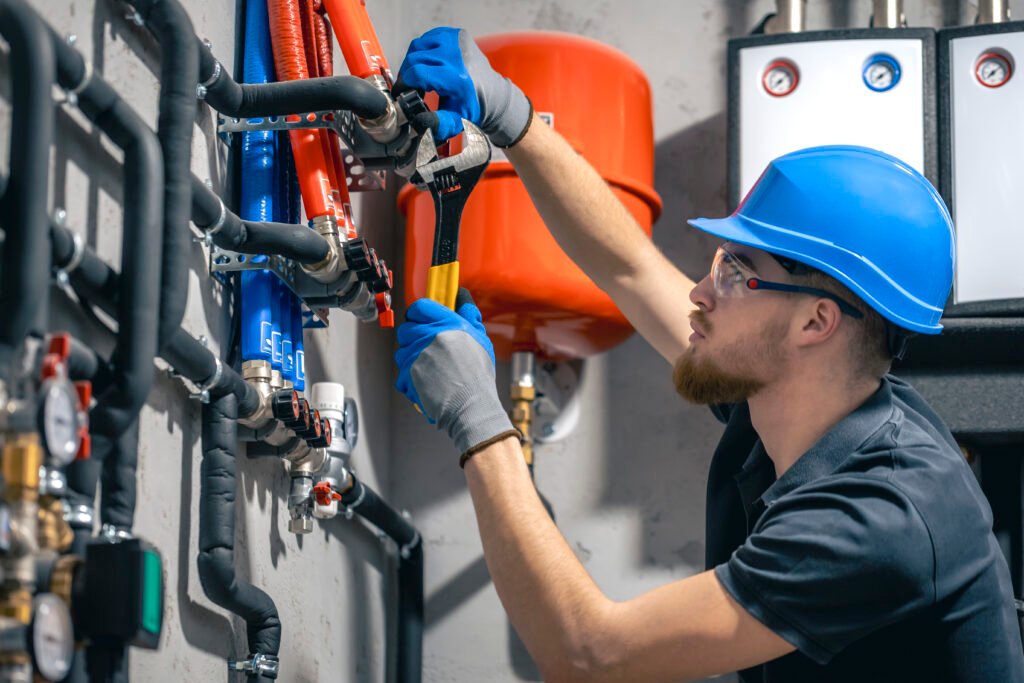
Introduction Backflow prevention isn’t just a legal requirement—it’s essential for the health and safety of everyone who uses water in your Miami property. Whether you’re a homeowner, business owner, or property manager, ensuring that your plumbing system is up to code starts with finding the right backflow testing professional. But how do you find a certified backflow tester near me that’s trustworthy, experienced, and affordable? This guide will walk you through everything you need to know, from understanding what backflow is to comparing quotes and verifying certifications. Understanding Backflow & Why Testing Matters Backflow occurs when contaminated water flows backward into the clean water supply. This can happen due to changes in pressure in the pipes, often caused by broken water mains or high demand in the system. If left unchecked, backflow can introduce hazardous chemicals, pesticides, and waste into drinking water. Backflow prevention inspection is legally required in many municipalities, including Miami, and is designed to protect public health. Most properties with irrigation systems, fire sprinklers, or commercial plumbing setups are required to install and test backflow prevention devices annually. By scheduling routine inspections with a certified professional, you ensure that your property remains in compliance with Florida laws and municipal codes—and most importantly, safe. What Certifications & Qualifications to Look For Hiring the right professional starts with checking their credentials. In Miami and throughout Florida, backflow testers must hold state-recognized certifications and often need to be approved by your local water utility authority. Key qualifications include: Certified Backflow Tester license (state- or county-issued) Training from accredited institutions, such as the American Backflow Prevention Association (ABPA) Experience with your specific system type, whether residential, commercial, or industrial Knowledge of local ordinances and the ability to submit compliance reports If a technician can’t provide proof of certification or experience, it’s best to continue your search. How to Find & Vet Candidates Finding a reliable certified backflow tester doesn’t have to be difficult if you follow a methodical approach. It’s all about knowing where to look, how to evaluate options, and what red flags to avoid. 1. Search “Certified Backflow Tester Near Me” Start your search using Google, local directories, or water utility referral lists. Including your neighborhood in the search—for example, “certified backflow tester in Coral Gables”—will yield more accurate results. 2. Check Reviews & References Online reviews from Yelp, Google, or Angi provide valuable insights. Look for consistent feedback on: Timeliness Professionalism Transparent pricing Follow-through on compliance paperwork Additionally, ask for direct references from past clients, particularly those with similar systems to yours. 3. Verify Insurance & Compliance Make sure any backflow tester you hire carries liability insurance and is familiar with Miami-Dade County compliance standards. A responsible technician will ensure timely submission of your test results to the appropriate water authority. Comparing Quotes: Affordability vs Value Getting multiple quotes is essential—not just to find the best deal but to understand what you’re paying for. When comparing prices, remember that the cheapest option isn’t always the best. What a typical backflow inspection quote includes: On-site inspection of your backflow prevention device Testing and performance verification Certification documentation for regulatory compliance Submission of paperwork to city or county authorities Price range in Miami: Expect to pay between $75 and $200 depending on your location, device type, and urgency. Emergency or expedited services may carry an additional fee. What to avoid: Quotes that are significantly lower than the local average Lack of itemized services Unlicensed or uncertified providers offering “cash deals” Finding affordable backflow services doesn’t mean sacrificing professionalism or reliability. The key is balancing cost with peace of mind. What to Expect During the Inspection A professional backflow inspection is straightforward but technical. It involves checking that your device is properly installed and functioning correctly to prevent reverse water flow. Whether you’re scheduling your first test or switching providers, Souffront Engineering offers reliable, affordable, and fully certified backflow testing throughout Miami. Step-by-step overview: Pre-inspection review: Technician gathers information about your property and device. Device testing: Using specialized gauges and tools, the technician tests internal components for pressure, seal, and valve performance. Performance assessment: If the device passes, it is certified. If not, repairs or replacements may be recommended. Documentation: You receive a detailed report, and a copy is sent to the local utility authority. Timeframe: A standard inspection takes 30 minutes to 1 hour depending on the location and accessibility of your system. After the test: If your system fails, your certified tester should provide a clear explanation of the issue and a plan for resolving it. Many companies also offer repair and retesting services. Tips for Long-Term Compliance & Maintenance Maintaining your backflow prevention device goes beyond just passing your annual inspection. Long-term compliance is about building a proactive maintenance routine and working with a provider who tracks changes in code and regulation. Schedule annual inspections: Most jurisdictions, including Miami-Dade County, require yearly backflow tests. Maintain clear access: Keep the area around your device free of debris and vegetation. Keep documentation: Store copies of all inspection reports and certifications in case of audits. Ask about service reminders: Many providers offer automatic reminders or annual contracts. Proactive maintenance not only keeps you in compliance but helps catch small issues before they become expensive problems. Conclusion & Call to Action When it comes to protecting your water supply, compliance isn’t optional—it’s critical. Choosing the right certified backflow tester near you in Miami ensures your system is working properly, your water is safe, and you’re fully in line with local regulations. Don’t take risks with your health or your property. Need to schedule an inspection? Contact us today for expert backflow prevention services you can trust. FAQs How often should backflow testing be done? Backflow testing is typically required annually. However, some commercial or high-risk systems may require more frequent inspections based on local regulations. What happens if my system fails the inspection? If your system fails, the technician will explain the issue and recommend either repairs or full replacement. The system must pass a follow-up inspection to be recertified. Are there affordable backflow services in Miami? Yes! Reputable
Why Backflow Certification is Critical for Miami-Dade Properties

Clean, safe drinking water is essential for public health. In urban and densely populated areas like Miami-Dade County, where commercial buildings, industrial operations, and residential properties coexist, maintaining water quality is especially crucial. One overlooked but vital aspect of this effort is backflow certification. Backflow can cause contaminated water to flow into the clean water supply due to a reversal of pressure, posing serious health hazards. That’s why Miami-Dade County, like many municipalities, mandates backflow prevention device installation and annual recertification. In this blog, we’ll break down: What backflow is and why it occurs Miami-Dade’s certification and testing requirements Risks of neglecting backflow prevention The benefits of regular testing How Souffront Engineering supports compliance and safety What Is Backflow? Backflow is the unwanted reversal of water or other substances into the potable water system. It typically occurs when there’s a significant pressure change in the pipes, either due to a back-siphonage (suction effect) or back-pressure (force from a non-potable source pushing into the potable supply). This can happen during: Water main breaks Sudden fire hydrant use Power outages in pump systems Improperly maintained irrigation or HVAC systems Without a working backflow prevention assembly, contaminants from landscaping chemicals, industrial fluids, or even sewage can enter the public water supply. Why Miami-Dade Properties Require Backflow Certification 1. County Ordinances and Annual Recertification The Miami-Dade County Code mandates that all commercial, multi-unit residential, and industrial properties with potential cross-connection hazards must: Install backflow prevention devices Have them tested annually by certified professionals Submit testing results to the county within the required timeframe Non-compliance can result in: Code violations and fines Disruption of water service Legal liabilities in case of contamination To learn more about county-specific details, visit Souffront Engineering’s Miami-Dade Backflow Recertification page. 2. Public Health Risks Miami-Dade’s infrastructure serves millions of residents, tourists, and businesses. Any lapse in water protection could lead to widespread contamination events. Backflow incidents can spread: Pesticides and fertilizers Industrial solvents Heavy metals Biological contaminants like bacteria and parasites Certified backflow devices are your first and last line of defense. 3. Environmental Considerations Miami-Dade’s proximity to natural water sources like Biscayne Bay and the Everglades adds extra urgency to water protection efforts. Backflow issues can easily seep into groundwater, harming ecosystems and wildlife. Properties That Typically Require Backflow Prevention Not every building has the same level of risk. However, Miami-Dade County mandates backflow devices for a wide range of properties, including: Commercial buildings (restaurants, malls, offices) Industrial facilities Multi-family residential properties Condominiums and HOAs Medical facilities and laboratories Properties with irrigation, fire suppression, or pool systems Even residential properties with irrigation or auxiliary water systems may be subject to backflow regulations depending on their risk level. Properties That Typically Require Backflow Prevention Not every building has the same level of risk. However, Miami-Dade County mandates backflow devices for a wide range of properties, including: Commercial buildings (restaurants, malls, offices) Industrial facilities Multi-family residential properties Condominiums and HOAs Medical facilities and laboratories Properties with irrigation, fire suppression, or pool systems Even residential properties with irrigation or auxiliary water systems may be subject to backflow regulations depending on their risk level. Why Annual Testing Matters Many people wonder: if the device is working now, why test it every year? Here’s why annual backflow testing is essential: Reason Explanation Mechanical wear and tear Internal parts wear down or corrode, especially in Miami’s humid, saline air. Unnoticed damage Landscaping, storms, or construction can compromise the device. Regulatory compliance Annual certification is legally required in Miami-Dade County. Peace of mind Ensure water purity for your tenants, employees, or customers. Consequences of Ignoring Backflow Certification Ignoring backflow testing and certification is not just risky — it’s legally and financially irresponsible. Property owners who fail to comply face: Hefty fines County violations and liens Potential lawsuits if contamination occurs Disruption of business operations Damage to your property’s reputation A simple, annual check with a reliable firm like Souffront Engineering can prevent these risks entirely. Souffront Engineering: Miami-Dade Backflow Certification Experts At Souffront Engineering & Construction, we specialize in backflow prevention and recertification services across Miami-Dade County. Our licensed professionals ensure compliance, safety, and timely submission of all necessary reports to local authorities. What We Offer: Certified testing and recertification for all major backflow assemblies Fast turnaround with next-day service options Digital reports and county submissions In-house repair or replacement services if your system fails inspection Ongoing service contracts for property managers and commercial sites Whether you’re managing a single commercial property or a portfolio of high-rise condominiums, our team simplifies the compliance process while helping you protect what matters most — your water supply. How to Prepare for Your Backflow Inspection To make your inspection seamless, here are a few steps to take: Know your due date: Miami-Dade typically sends out annual notices with a testing deadline. Locate your device: Backflow preventers are often installed near your main water meter, irrigation system, or fire line. Clear access: Ensure the area around the device is free of debris, foliage, or obstructions. Have past reports handy: This helps inspectors compare current performance to previous results. Need help tracking or managing your certification schedule? Ask us about our automated compliance tracking service. Final Thoughts Lorem ipsum dolor sit amet, consectetur adipiscing elit. Ut elit tellus, luctus nec ullamcorper mattis, pulvinar dapibus leo. FAQs About Backflow Certification in Miami-Dade How often is backflow testing required in Miami-Dade? Miami-Dade County requires annual backflow certification for properties with a potential cross-connection hazard. Failing to test or report can result in code violations. What happens if my backflow device fails? If your device fails, repairs or a full replacement may be necessary. Souffront Engineering offers fast, professional repair and retesting services to help you pass. Can I perform the backflow test myself? No. Only licensed and certified backflow testers recognized by Miami-Dade County can perform and submit results for legal certification. How much does a backflow test cost? Prices vary based on the type of device, size, and accessibility, but most
Broward County Electrical Safety Inspection: Why It Matters
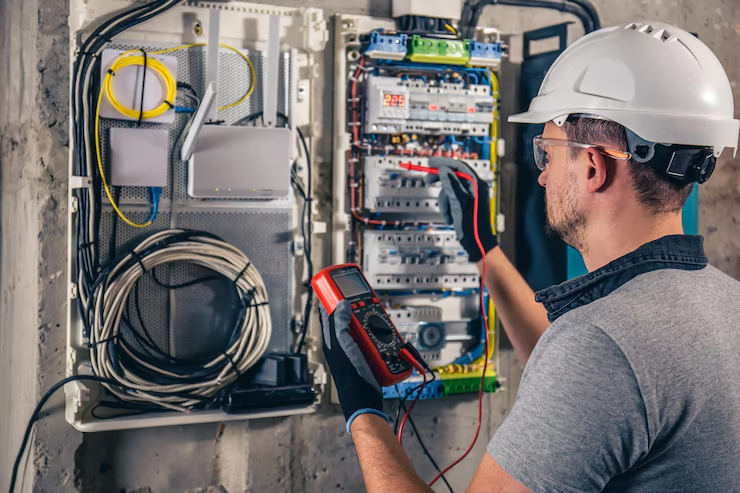
Electrical safety is a critical component of property maintenance, especially in regions like Broward County, Florida. The warm climate, frequent storms, and high humidity can accelerate wear and tear on electrical systems. Failing to maintain and inspect these systems can lead to severe consequences , including electrical fires, equipment failure, and non-compliance with local ordinances. That’s why an electrical safety inspection is not just a recommendation — it’s a necessity. Whether you’re a homeowner, property manager, or business owner, staying compliant and safe starts with a comprehensive inspection conducted by certified professionals. In this blog, we’ll explore: What an electrical safety inspection entails Why it’s essential in Broward County The role of Souffront Engineering in the process Compliance and code enforcement The benefits of regular inspections What Is an Electrical Safety Inspection? An electrical safety inspection is a thorough evaluation of a property’s electrical systems. It ensures that wiring, outlets, circuit breakers, grounding, and other components are functioning safely and in accordance with the National Electrical Code (NEC) and local regulations. A typical inspection covers: Visual Inspection: Checking for damaged wires, loose connections, and outdated equipment. Load Testing: Assessing if the current electrical load is within safe limits. Breaker and Panel Checks: Ensuring all panels are properly labeled, functional, and not overheating. Grounding System Evaluation: Confirming proper grounding and bonding throughout the property. Code Compliance: Verifying that installations meet current electrical codes and standards. Why Electrical Safety Inspections Matter in Broward County 1. Climate and Environmental Factors Broward County experiences a subtropical climate, meaning high humidity and frequent storms — particularly during hurricane season. These environmental conditions can damage electrical systems, especially in older buildings. Moisture can lead to corrosion, which increases the risk of shorts, shocks, and even fires. 2. Aging Infrastructure Many properties in South Florida were built decades ago. Outdated electrical systems are not only inefficient but dangerous. Knob-and-tube wiring, aluminum wiring, and undersized electrical panels can pose significant hazards without detection. 3. Local Ordinances and Requirements In 2022, new inspection mandates were introduced across Florida, including the Milestone Inspections and Structural Integrity Reserve Studies. These apply primarily to condos and multifamily buildings, but electrical systems are often included in these safety evaluations. In Broward County specifically, municipalities like Fort Lauderdale and Hollywood have strengthened enforcement of 40-year and 50-year recertifications. Electrical system inspections are a core part of these assessments. 4. Insurance and Liability Insurance companies are increasingly requiring proof of electrical safety inspections before issuing or renewing coverage. Failure to comply can result in policy cancellation, higher premiums, or denial of claims in the event of an incident. When Should You Schedule an Electrical Safety Inspection? You should consider scheduling an inspection in any of the following situations: Buying or selling a property Owning an older home or commercial building Before or after a major renovation After experiencing electrical issues or power surges Every 5-10 years as a preventative measure As part of Broward’s 40-year or 50-year building recertification process If your property is approaching the 40-year mark, it’s crucial to act in advance. Waiting for the county to issue a recertification notice can lead to rushed compliance, potential fines, and higher repair costs. Souffront Engineering: Your Trusted Partner in Electrical Safety At Souffront Engineering & Construction, we specialize in comprehensive safety inspections across Broward County. Our team of licensed professional engineers (PEs) and certified inspectors deliver detailed reports, actionable recommendations, and expert guidance tailored to your property’s specific needs. What Sets Us Apart? Deep Knowledge of Local Codes: We stay up-to-date on all county, state, and national electrical code changes. Experience with 40/50-Year Recertification: We’ve assisted hundreds of property owners with successful inspections and renewals. Turnkey Service: From inspections to repairs, Souffront can handle the full scope of engineering and construction. Transparent Reports: We provide clear, easy-to-understand inspection reports that empower property owners to make informed decisions. Fast Turnaround: Our team respects your timeline and offers flexible scheduling. Whether you’re managing a high-rise condo, a strip mall, or a private residence, we offer customized solutions that keep your building safe and code-compliant. Common Issues Found During Electrical Safety Inspections Here are a few examples of issues we often identify during inspections in Broward: Overloaded Circuits: Too many devices or appliances plugged into one circuit can lead to overheating and fire risk. Improper Grounding: Lack of proper grounding increases the risk of shock during power surges or lightning storms. Outdated Wiring: Materials like aluminum wiring can oxidize and loosen over time, creating unsafe conditions. Unlabeled or Mislabeled Breaker Panels: This can slow down emergency responses and lead to accidental hazards. Unpermitted Electrical Work: DIY or unlicensed work may not meet safety standards and often fails inspections. Legal Compliance and Avoiding Penalties Failing an electrical inspection can have serious consequences, particularly for commercial property owners and HOA boards. If violations are found, you may be required to: Perform costly upgrades within a strict timeframe Pay fines and administrative fees Face legal action or property condemnation in extreme cases By working proactively with a qualified firm like Souffront Engineering, you can stay ahead of these challenges and ensure seamless compliance with local and state laws. Benefits of Routine Electrical Inspections Here’s why investing in regular inspections is worth it: Benefit Description Fire Prevention Reduces risk of electrical fires caused by shorts or overloads Insurance Savings Meet insurer requirements and potentially lower your premiums Increased Property Value A safe, updated electrical system appeals to buyers and tenants Legal Protection Demonstrates due diligence and helps defend against liability claims Peace of Mind Know your home or business is operating safely and efficiently Final Thoughts Electrical safety inspections aren’t just a formality — they’re a cornerstone of responsible property ownership in Broward County. Whether it’s staying compliant with local recertification laws or ensuring the safety of occupants, these inspections can prevent costly disasters and give you peace of mind. If you’re unsure about the condition of your property’s electrical system or are approaching a mandatory inspection deadline, Souffront Engineering
Why Thermal Inspections Are Critical for 400A Electrical Services in Florida Recertifications

Why Thermographic Inspections are Essential for Electrical Recertification in Florida Thermographic inspections are becoming increasingly vital for maintaining the safety and compliance of buildings in Florida, particularly in Miami-Dade County. Recent guidelines mandate thermographic inspections for electrical services rated at 400 amperes or higher during their mandatory 40-year electrical recertification. Understanding Thermographic Inspections Thermographic inspection, often known as infrared inspection, uses thermal imaging technology to detect heat anomalies in electrical systems. These anomalies often indicate underlying problems such as overloaded circuits, loose connections, insulation failures, or corrosion, which, if undetected, could lead to serious safety risks like electrical fires or system failures. Mandatory Inspection Threshold As per recent clarifications from Miami-Dade’s Board of Rules and Appeals (July 2022), thermographic inspections are compulsory specifically for buildings with electrical services of 400 amperes or higher. Notably, this requirement applies broadly to systems powered by such electrical services, even if individual equipment within the service has ratings below 400 amperes. Qualifications for Conducting Inspections Thermographic inspections must be carried out by certified Level 2 thermographers. The recent regulatory update simplifies qualifications slightly: Inspectors need a minimum of 5 years of experience, down from 7 years previously. Experience can be broad, involving general inspections of electrical systems in commercial buildings, rather than exclusively from thermographic work. These inspectors utilize specialized infrared cameras to capture thermal images, which clearly highlight temperature irregularities not visible to the naked eye. Benefits of Thermographic Inspections There are several compelling benefits to conducting these inspections: Safety Enhancement: Early detection of electrical anomalies significantly reduces the risk of fire hazards. Cost Savings: Identifying problems early helps avoid costly emergency repairs and downtime. Compliance and Liability: Thorough thermographic reports ensure buildings adhere to stringent Florida building codes, protecting property owners and condominium associations from legal and regulatory penalties. What the Inspection Covers During an inspection, thermographers assess various critical electrical components, including: Circuit breakers and panels Distribution boards High-load connections Transformers and sub-panels The infrared images collected are documented and analyzed to determine if immediate action is necessary or if routine maintenance can suffice. Ensuring a Smooth Recertification Process Given these clarifications, it is essential for building owners, property managers, and associations to select qualified and certified thermographers who understand the intricacies of Florida’s electrical codes. Regular thermographic inspections not only maintain compliance but also enhance overall building safety and reliability. For Miami-Dade property owners needing to navigate these requirements efficiently, seeking expertise from certified professionals ensures your recertification process is smooth, compliant, and worry-free. Final Thoughts Thermographic inspections are a critical component of modern building safety, especially in regions like Miami-Dade County with strict electrical safety regulations. By proactively identifying electrical issues through advanced infrared technology, property owners can maintain compliance, avoid costly repairs, and ensure long-term building safety and integrity.
Certified Electrical Inspectors in Broward County: What to Expect

When it comes to maintaining the safety and functionality of your property’s electrical system, hiring a certified electrical inspector is crucial. Whether you are a property owner, contractor, or real estate professional in Broward County, understanding what a professional electrical inspection entails can save you time, money, and potential hazards. In this blog, we’ll walk you through the process of an electrical safety inspection, the benefits of hiring certified inspectors, and why Souffront Engineering is your trusted partner for electrical inspection services in Broward County. Why Are Electrical Inspections Important? Electricity powers almost every aspect of modern life, but it also poses significant risks when systems are outdated, improperly installed, or damaged. Electrical inspections help identify potential hazards such as faulty wiring, overloaded circuits, and code violations before they lead to fires, shocks, or costly repairs. In Broward County, electrical inspections are often required during property sales, renovations, or as part of routine maintenance to comply with local safety codes. Certified inspectors ensure that your property adheres to the National Electrical Code (NEC) and local Broward County regulations. What Does a Certified Electrical Inspector Do? A certified electrical inspector is a trained professional who evaluates electrical systems to ensure they are safe, efficient, and code-compliant. Here’s what you can expect during an electrical safety inspection: 1. Comprehensive Visual Inspection The inspector begins by visually assessing the entire electrical system. This includes checking service panels, breakers, outlets, switches, wiring, grounding systems, and electrical appliances. The goal is to spot visible defects like frayed wires, corrosion, or improper installations. 2. Testing and Measurements Certified inspectors use specialized tools such as multimeters, circuit testers, and thermal imaging cameras to test electrical currents, voltage, and continuity. These tests reveal hidden problems such as overloaded circuits or poor connections that aren’t obvious to the naked eye. 3. Compliance Verification The inspector verifies that the electrical system meets all relevant codes, including NEC standards and Broward County requirements. This ensures the system’s design and installation adhere to safety regulations. 4. Documentation and Reporting After the inspection, a detailed report is prepared outlining findings, code violations, and recommended repairs. This documentation is essential for property owners, contractors, and insurance companies. Benefits of Hiring Certified Electrical Inspectors in Broward County Hiring a certified professional for electrical inspection services brings numerous advantages: Safety Assurance: A certified inspector’s expertise ensures potential hazards are identified and mitigated before they cause accidents. Code Compliance: Avoid fines and legal issues by ensuring your property meets local and national electrical codes. Property Value Protection: A clean inspection report can boost property value and ease the sale or lease process. Energy Efficiency: Inspectors can suggest upgrades or repairs that improve electrical efficiency, saving you money on utility bills. Peace of Mind: Knowing your electrical system is safe and reliable gives you confidence and reduces stress. Why Choose Souffront Engineering for Electrical Inspections in Broward County? At Souffront Engineering, we understand that every property is unique. Our team of certified electrical inspectors combines technical expertise with a commitment to excellent customer service, providing thorough and transparent inspections for residential, commercial, and industrial properties. What Sets Us Apart? Experienced Inspectors: Our inspectors are licensed, highly trained, and stay updated on the latest code changes and safety standards. Comprehensive Services: From pre-purchase inspections to routine safety audits, we tailor our services to your needs. Fast Turnaround: We deliver detailed inspection reports promptly to keep your project moving smoothly. Local Knowledge: We specialize in Broward County electrical codes and regulations to ensure your property is fully compliant. You can rely on Souffront Engineering for dependable, professional electrical inspection services that prioritize safety and compliance. Electrical Inspection Checklist: What Inspectors Look For To help you understand the inspection process better, here is a checklist of key elements our certified inspectors evaluate: Electrical panel condition and labeling Circuit breaker function and sizing Wiring integrity (no exposed or damaged wires) Grounding and bonding systems Outlet and switch functionality and placement Smoke and carbon monoxide detectors (where applicable) Lighting fixtures and electrical appliances Compliance with NEC and local codes Evidence of previous repairs or modifications Proper installation of GFCI and AFCI devices in wet or hazardous areas Preparing for Your Electrical Inspection Proper preparation helps ensure the inspection runs smoothly and efficiently. Here are some tips to prepare your property: Provide clear access to electrical panels, outlets, and appliances. Inform the inspector of any recent electrical work or known issues. Ensure all electrical devices are operational on the day of inspection. Have property blueprints or previous inspection reports available if possible. Conclusion Whether you are buying a new home, managing a commercial building, or upgrading an industrial facility, a certified electrical inspection is essential for safety, compliance, and peace of mind. Broward County property owners and contractors trust Souffront Engineering for reliable, thorough, and professional electrical inspection services. To schedule your electrical inspection or learn more about our services, visit Souffront Engineering’s electrical inspections page. Let us help you keep your property safe and code-compliant with expert inspections tailored to your needs. FAQs 1. How often should I have an electrical inspection done? It’s recommended to have an inspection every 3-5 years or when you purchase, renovate, or experience electrical problems in your property. 2. What qualifications should a certified electrical inspector have? Inspectors should hold state or local licenses, be trained in electrical codes (such as NEC), and have experience in inspecting various types of properties. 3. Can I perform my own electrical inspection? Due to safety risks and code complexity, it’s best to hire certified professionals who have the knowledge, tools, and authority to perform thorough inspections. 4. What happens if my property fails the electrical inspection? You will receive a report detailing the issues. You’ll need to hire a licensed electrician to correct the problems before a follow-up inspection. 5. Why should I choose Souffront Engineering for my electrical inspection? Souffront Engineering offers expert electrical inspection services in Broward County, combining certified expertise with local code knowledge and excellent customer service to ensure your property’s safety and compliance.
How to Find a Certified Electrical Inspector Near You in Miami-Dade

If you’re a homeowner, business owner, or contractor in Miami-Dade, ensuring your property’s electrical system is safe and up to code is vital. But with many options available, finding a certified electrical inspector near me can be overwhelming. Electrical inspections require specialized knowledge and tools, and hiring the right professional ensures your property complies with safety standards and avoids costly issues. In this guide, we’ll help Miami-Dade residents and businesses navigate the process of hiring a qualified certified electrical inspector, explain what to look for in electrical inspection services, and share tips to get the best results for your electrical safety inspection needs. Why Hiring a Certified Electrical Inspector Matters Electricity can be dangerous if systems are faulty or outdated. Certified electrical inspectors play a critical role in identifying potential hazards like faulty wiring, overloaded circuits, and unsafe installations. These issues, if left unchecked, can lead to fires, shocks, or system failures. Certified inspectors ensure that your electrical system complies with the National Electrical Code (NEC) and local Miami-Dade regulations. Their professional inspection helps you avoid safety risks, insurance issues, and legal problems. What Does a Certified Electrical Inspector Do? A certified electrical inspector examines your property’s electrical infrastructure, from the main service panel to wiring and outlets. They verify safety, efficiency, and compliance through: Visual inspection: Checking for visible defects such as damaged wires, improper connections, and equipment condition. Testing: Using tools like voltage meters and circuit analyzers to detect hidden problems. Code compliance check: Ensuring installations meet NEC and Miami-Dade safety standards. Documentation: Providing a detailed inspection report outlining issues and recommendations. Tips for Finding a Certified Electrical Inspector Near You in Miami-Dade Finding the right professional requires careful consideration. Here are practical tips to help you locate a trusted certified electrical inspector near me: 1. Verify Credentials and Licensing Start by confirming the inspector holds valid state or local licenses and certifications. In Florida, electrical inspectors must be certified through recognized bodies and comply with Miami-Dade County regulations. Check with the Florida Department of Business & Professional Regulation (DBPR) for valid licenses. 2. Look for Experience and Specialization Choose inspectors who have proven experience in residential, commercial, or industrial inspections relevant to your property type. Experienced inspectors are more likely to identify subtle issues and provide actionable advice. 3. Ask About Inspection Scope and Services Clarify what the inspection includes — some inspectors offer basic visual inspections, while others provide thorough testing and compliance verification. A complete electrical safety inspection is essential for your peace of mind. 4. Check Reviews and References Online reviews and testimonials from previous clients can provide insight into the inspector’s reliability and professionalism. Ask the inspector for references and examples of past inspections in Miami-Dade. 5. Request a Detailed Inspection Report Ensure the inspector delivers a comprehensive, easy-to-understand report. It should outline findings clearly, highlight safety concerns, and recommend necessary repairs or upgrades. 6. Compare Pricing and Value While cost is important, don’t choose solely based on the lowest price. Quality inspections can save you money long-term by preventing hazards and code violations. Why Choose Souffront Engineering for Electrical Inspections in Miami-Dade? If you want a reliable, certified electrical inspector near you in Miami-Dade, look no further than Souffront Engineering. Our team offers expert electrical inspection services backed by years of experience and a commitment to safety. Benefits of Our Services: Certified and licensed inspectors specializing in Miami-Dade electrical codes Comprehensive inspections including visual checks, testing, and code compliance Fast, detailed inspection reports to help you make informed decisions Friendly customer service and transparent pricing Expertise in residential, commercial, and industrial electrical systems Visit our electrical inspections page to schedule your inspection today and experience peace of mind with Souffront Engineering. How to Prepare for Your Electrical Inspection Proper preparation helps the inspection go smoothly and efficiently. Here’s what you can do: Ensure clear access to electrical panels, outlets, and wiring Inform the inspector of any electrical work or issues you’ve noticed Make sure all electrical systems and appliances are turned on during inspection Gather any previous electrical inspection reports or permits Common Electrical Inspection Services Offered Certified electrical inspectors in Miami-Dade typically provide: Pre-purchase electrical inspections for home buyers Routine safety inspections for homeowners and businesses Compliance inspections for renovations or new constructions Electrical panel and circuit breaker evaluations Testing of outlets, switches, lighting, and grounding systems Conclusion Finding a certified electrical inspector near you in Miami-Dade doesn’t have to be a daunting task. By verifying credentials, understanding inspection scopes, checking reviews, and considering experience, you can hire a qualified professional to ensure your property’s electrical safety and compliance. For expert electrical inspection services in Miami-Dade, trust the team at Souffront Engineering. We’re committed to helping you protect your home or business with thorough, certified inspections. Schedule your electrical inspection today and take the first step toward a safer, code-compliant electrical system. FAQs 1. How do I verify if an electrical inspector is certified in Miami-Dade? Check the Florida DBPR license database or ask the inspector for their certification details. A certified electrical inspector will have proper credentials recognized by the state and county. 2. How long does a typical electrical inspection take? Inspection times vary depending on property size and system complexity but usually range from 1 to 3 hours. 3. What should I do if my electrical system fails inspection? You will receive a report detailing deficiencies. Hire a licensed electrician to make necessary repairs and schedule a follow-up inspection. 4. Can I be present during the electrical inspection? Yes, being present is encouraged so you can ask questions and understand the inspector’s findings firsthand. 5. Why choose Souffront Engineering for electrical inspection services? Souffront Engineering offers certified, thorough inspections tailored to Miami-Dade’s specific codes and safety requirements, ensuring your property is protected and compliant. Learn more on our electrical inspection services page.
Revive and Reinforce: Expert Concrete Restoration Services

Introduction Concrete is one of the most durable and widely used construction materials in the world. From commercial buildings and bridges to residential foundations and parking garages, concrete forms the structural backbone of our built environment. However, over time, even the strongest concrete can deteriorate due to environmental exposure, water infiltration, corrosion, and wear and tear. This is where concrete restoration services play a crucial role. At Souffront Construction & Engineering, we provide comprehensive concrete restoration services to restore strength, appearance, and safety to aging and damaged concrete structures. This blog dives into the importance of restoration, signs your property may need it, and why partnering with a concrete restoration services contractor is a smart investment. What is Concrete Restoration? Concrete restoration refers to the process of repairing and reviving damaged concrete structures without the need for full replacement. It includes fixing cracks, reinforcing weakened sections, repairing spalls, removing corrosion, and applying protective coatings. Restoration not only improves structural integrity but also enhances aesthetics and extends the lifespan of the concrete. This is different from basic concrete repair. While repair may address surface-level problems, restoration focuses on returning the concrete to its original strength and functionality—often exceeding the original specifications. Signs Your Concrete Needs Restoration Recognizing the early warning signs of deterioration can save you time and money in the long run. Here are common indicators that you may need professional concrete restoration services: Visible Cracks: Especially those that spread over time or appear around joints and load-bearing areas. Surface Spalling: Flaking or chipping of concrete caused by freeze-thaw cycles or moisture exposure. Rust Stains: Indicates corrosion of embedded steel reinforcement. Water Infiltration: Persistent dampness, efflorescence, or mold. Uneven or Sunken Areas: Often a sign of foundational issues. Delamination: Layers of concrete separating from each other. If any of these signs are present, it’s essential to consult a concrete restoration services professional to assess the extent of damage. The Importance of Professional Concrete Restoration 1. Structural Integrity Over time, environmental factors and load-bearing stress can weaken concrete structures. Restoration helps reinforce these areas, preventing structural failure and ensuring safety. 2. Cost Savings Timely concrete restoration services can prevent the need for complete reconstruction, saving property owners significant costs in the long term. 3. Extended Lifespan Restored concrete can continue to serve its intended purpose for decades, especially when enhanced with protective coatings and reinforcements. 4. Aesthetic Improvements Deteriorating concrete is not only unsafe but unsightly. Restoration improves curb appeal, which can enhance property value. 5. Environmental Benefits Restoration minimizes waste and the environmental footprint associated with demolition and new construction. Our Approach at Souffront Construction & Engineering At Souffront Construction & Engineering, our goal is to provide reliable, durable, and visually appealing concrete restoration solutions tailored to your needs. We serve commercial, industrial, and residential clients throughout the Miami-Dade region. Step-by-Step Process: Inspection & Assessment: We begin with a detailed evaluation of the concrete condition to identify damage, causes, and risks. Customized Restoration Plan: Our experts develop a tailored strategy using the most suitable materials and techniques. Repair & Reinforcement: This includes crack injection, rebar corrosion treatment, surface refinishing, and structural strengthening. Protective Coatings: We apply waterproofing or chemical-resistant coatings to prevent future deterioration. Final Inspection: Every project ends with a quality assurance review to ensure it meets safety and performance standards. Our team of concrete restoration services professionals uses advanced tools, industry-approved materials, and years of hands-on experience to deliver top-tier results. Key Areas Where We Provide Concrete Restoration 1. Commercial Buildings Restore façades, balconies, and parking structures that show signs of deterioration. 2. Residential Properties Reinforce foundations, driveways, patios, and pool decks to ensure safety and aesthetics. 3. Bridges and Infrastructure Address corrosion, cracking, and surface spalling to prolong the lifespan of transportation networks. 4. Industrial Facilities Protect and repair concrete floors, loading docks, and structural columns that endure heavy loads and chemical exposure. Why Choose a Certified Concrete Restoration Services Contractor? Choosing the right concrete restoration services contractor can make all the difference. Here’s why Souffront Construction & Engineering is the preferred partner for many in Miami-Dade: Licensed & Insured Professionals Advanced Tools and Technology Commitment to Safety and Compliance Clear Communication and Transparent Pricing Long-Term Warranties and Support We don’t just patch up concrete—we restore and protect your investment for years to come. Conclusion Concrete structures are built to last, but even the strongest materials need attention over time. By investing in concrete restoration services from a trusted contractor like Souffront Construction & Engineering, you ensure that your property remains safe, functional, and visually appealing. Whether you manage a commercial building, own a home, or operate an industrial facility, our concrete restoration services professionals are ready to help you restore and protect what matters most. Contact us today to schedule a consultation and see how we can bring your concrete back to life. Request Your Concrete Restoration Consultation FAQs 1. How long does a typical concrete restoration project take? The timeline varies depending on the size and condition of the structure. Minor repairs may take a few days, while larger projects can span several weeks. We provide detailed timelines after our initial assessment. 2. Can damaged concrete always be restored, or does it sometimes need replacement? Most concrete damage can be restored. However, if structural integrity is severely compromised, partial replacement may be necessary. Our experts will guide you to the best solution. 3. What materials are used in the restoration process? We use epoxy injections, bonding agents, high-performance mortars, corrosion inhibitors, and protective coatings specifically designed for durability and environmental resistance. 4. How do I know if I need professional concrete restoration services? If you notice signs like cracks, spalling, stains, or water intrusion, it’s time to call a professional. Souffront offers thorough assessments to determine the scope of needed repairs. 5. Why should I choose Souffront Construction & Engineering for my concrete restoration? Souffront provides industry-leading concrete restoration services backed by certified professionals, cutting-edge tools, and a strong commitment to quality and safety in every project.
Understanding the Importance of 40-Year Building Recertification in Florida

Introduction: The Significance of Building Recertification in Florida Florida’s architectural landscape is a vibrant fusion of historic charm and modern innovation. Yet, with the state’s unique environmental challenges, building sustainability and safety have become paramount. Establishing 40-year building recertification processes has emerged as a cornerstone in ensuring the longevity and safety of structures. Particularly in counties like Miami-Dade and Broward, which face the constant threat of hurricanes and the ravages of time, these recertifications are crucial for community safety and compliance. Section 1: What Is 40-Year Building Recertification? The 40-year building recertification program demands specific buildings undergo detailed structural and electrical assessments upon reaching 40 years of age, with subsequent checks every ten years. Originating in Miami-Dade County in the 1970s, this program has since expanded, ensuring that older buildings remain safe and compliant with updated standards. It encompasses commercial properties, high-rise condominiums, and multi-family residences, aiming to prevent structural failures and ensure public safety. Section 2: Why Is 40-Year Recertification Required? Florida’s climate, characterized by high humidity, severe storms, and temperature fluctuations, accelerates deterioration in building materials. Recertification mitigates the risks by addressing structural deficiencies and electrical hazards before they become severe. With past tragedies, like the Champlain Towers South collapse, as somber reminders, the recertification process plays a critical role in averting potential disasters and safeguarding lives. Section 3: Procedures Involved in 40-Year Building Recertification The 40-year building recertification process is methodical, beginning with a thorough inspection conducted by a licensed engineer or architect. The inspection evaluates various components, such as the structural integrity of the building, electrical systems, roof conditions, and more. Following the inspection, a comprehensive report is prepared, outlining deficiencies and recommended repairs. The building committee then takes necessary corrective actions to meet compliance standards. 40-Year Building Recertification Inspection Checklist: Component Inspection Criteria Structural Integrity Foundation, framing, load-bearing walls Electrical Systems Wiring, circuits, power supply panels Roof Leaks, material strength, fixtures Plumbing Pipe integrity, water supply, drainage HVAC Systems Functionality, efficiency, safety Section 4: Challenges Faced During Recertification Building recertification in Florida is not without its challenges. Key obstacles include logistical complexity, cost implications, and the potential need for major structural renovations. Calculating accurate compliance costs and planning timely inspections are crucial to overcoming these challenges. Building owners must remain proactive, seeking expert guidance, such as consulting with firms like Souffront Construction & Engineering, to successfully navigate these obstacles. Section 5: Opportunities for Innovation and Sustainability The recertification process offers opportunities for adopting sustainable practices and cutting-edge technologies. Innovations in building materials, smart energy systems, and passive design solutions enhance energy efficiency and environmental sustainability. These practices not only meet recertification standards but also contribute to reducing environmental footprints and operational costs. Section 6: The Role of Engineering and Construction Experts The role of seasoned engineering and construction management firms is pivotal in ensuring compliance and excellence in the recertification process. Firms like Souffront Construction & Engineering, with their vast expertise in inspection and engineering services, guide building owners through the complexities of recertification. Their commitment to delivering safe, compliant, and effective solutions underscore the importance of selecting the right partners. Section 7: Legislative Framework Governing Recertification The legislative framework for 40-year recertification notices and procedures is rooted in Florida Building Code requirements, administrative orders, and county regulations. Understanding these legal obligations is crucial for building owners, ensuring compliance with terms, deadlines, and protocols to avoid penalties and ensure residents’ safety. Section 8: Financial Implications and Cost Management Recertification involves substantial financial commitments, from inspection fees to repair costs. Proactively negotiating fair contracts and exploring financing options can ease the financial burden on building owners. Firms offering transparent and comprehensive budget plans and facilitating financing options play an instrumental role in cost-effective management. Section 9: Community and Environmental Impact The impact of recertification extends beyond individual properties, benefiting communities by fortifying public safety and enhancing the quality of life. Reducing structural failures and ensuring environmental compliance also conserves resources and supports sustainable urban development, benefitting the larger Floridian community. Section 10: Future Directions in Building Recertification Advancements in technology and changing regulatory landscapes will invariably influence the future of building recertification. As artificial intelligence and data analytics become integral in predicting maintenance needs and optimizing energy consumption, the recertification process will likely evolve, integrating these innovations for enhanced accuracy and efficiency. Key Takeaways Implementing structured and strategic building recertification processes in Florida underscores the importance of safety, compliance, and sustainability. As building owners and community leaders collaborate to tackle challenges and embrace opportunities, the future of Florida’s built environment promises to be safe, dynamic, and environmentally responsible. Frequently Asked Questions What is the primary purpose of 40-year building recertification? The primary purpose of the 40-year building recertification is to ensure the safety and structural integrity of older buildings. The program requires specific buildings, particularly those utilized for public assembly or as multi-family residences, to undergo detailed structural and electrical inspections every 40 years, with follow-up inspections every 10 years. This proactive approach helps to identify potential hazards and enforce necessary repairs, thereby preventing structural failures and ensuring public safety. How does climate affect building recertification in Florida? Florida’s climate poses unique challenges to building integrity, making recertification particularly crucial. High humidity levels, frequent and severe storms, and temperature variations are some factors accelerating the deterioration of building materials. These environmental conditions can lead to corrosion, mold growth, and structural weakening over time. Building recertification ensures that buildings address these climate-induced risks and comply with safety standards, providing peace of mind to residents and business owners alike. What are the challenges building owners face during the recertification process? The recertification process can be daunting for building owners due to its complexity, cost implications, and the potential need for significant renovations. Timely planning, accurate budget management, and collaboration with professional engineering firms are essential to successfully meeting compliance requirements. By leveraging expert guidance, such as the comprehensive services offered by firms like Souffront Construction & Engineering, building owners can efficiently navigate the intricacies of recertification and ensure compliance. What role do
Building Dreams, Managing Details: Expert General Contracting Services

Introduction Taking on a construction project—whether it’s residential, commercial, or industrial—requires more than just blueprints and a budget. It demands experience, precision, communication, and coordination. This is where professional general contracting services come into play. From overseeing timelines and managing subcontractors to ensuring code compliance and budget control, a general contractor is your project’s backbone. At Souffront Construction & Engineering, we specialize in delivering reliable and comprehensive general contracting services throughout Miami-Dade and beyond. Our hands-on expertise ensures your project is built on a foundation of trust, quality, and accountability. What Are General Contracting Services? General contracting services involve the complete oversight and coordination of a construction project. A general contractor (GC) is responsible for day-to-day operations, from securing materials and labor to coordinating permits, inspections, and project scheduling. Services typically include: Planning and budgeting Hiring and supervising subcontractors Site safety management Quality assurance Regulatory compliance Progress reporting Procurement and logistics By hiring a general contracting services professional, you ensure every component of your construction project is aligned with your vision, timelines, and standards. Why General Contracting Services Matter Construction is complex. Multiple moving parts, teams, and timelines must come together seamlessly. Without a qualified contractor, it’s easy for projects to run into delays, cost overruns, and compliance issues. Here are a few key reasons to engage a general contracting services contractor: 1. Project Efficiency A skilled GC coordinates every aspect of the build, ensuring milestones are met without compromising quality. 2. Cost Control Professionals know how to allocate budgets effectively, source quality materials, and avoid costly mistakes. 3. Risk Mitigation Construction sites can be dangerous. A licensed contractor manages safety protocols, liability insurance, and worker protection. 4. Compliance and Permitting Navigating local regulations and securing the right permits is part of the job. A GC ensures everything is by the book. 5. Single Point of Contact Instead of juggling vendors and suppliers yourself, you deal with one professional who oversees all stakeholders. Souffront’s Approach to General Contracting At Souffront Construction & Engineering, we approach every project with a balance of technical expertise and hands-on dedication. Our mission is to turn blueprints into realities, with a clear focus on quality, safety, and efficiency. Here’s what sets us apart: Licensed & Insured Professionals: Our team is fully licensed, bonded, and insured to provide peace of mind. Collaborative Planning: We work closely with clients, architects, and engineers to understand goals and align deliverables. Transparent Communication: We provide consistent updates and keep you informed every step of the way. On-Time, On-Budget Delivery: We respect your time and your bottom line. Whether you’re building from the ground up, renovating an office, or managing a multi-phase commercial project, Souffront is your trusted general contracting services contractor. Our Core General Contracting Services 1. Pre-Construction Planning We start by evaluating your site, goals, and design specifications. Our team helps with feasibility studies, cost analysis, and project timelines. 2. Construction Management We oversee all construction phases—from excavation to finishing. Our team manages subcontractors, supply chains, and workflow coordination. 3. Quality Assurance Every step is monitored for quality and safety. We follow industry standards, manufacturer guidelines, and local codes. 4. Permits & Inspections Our experts ensure that all necessary permits are obtained, and all inspections passed, avoiding any legal or regulatory setbacks. 5. Post-Construction Support Our job isn’t done until you’re satisfied. We handle final walkthroughs, punch lists, and warranty support. Types of Projects We Handle Souffront Construction & Engineering is proud to work across a diverse range of sectors: Residential Construction: Custom homes, remodels, and additions. Commercial Developments: Office spaces, retail stores, and restaurants. Industrial Facilities: Warehouses, manufacturing plants, and logistics centers. Public Infrastructure: Schools, libraries, and municipal projects. Each project, regardless of size or scope, receives the same level of commitment and excellence. Why Choose Souffront? There are countless contractors out there—but few with our credentials, experience, and reputation for reliability. Here’s why Souffront is the name clients trust: Decades of Industry Experience In-House Engineering Knowledge Advanced Project Management Tools Commitment to Transparency & Integrity Responsive and Personable Service When you choose Souffront, you’re not just hiring a contractor; you’re partnering with a team that cares about your goals and delivers on its promises. Conclusion Whether you’re building your dream home, launching a commercial property, or expanding an industrial facility, the right contractor can make all the difference. Souffront Construction & Engineering provides dependable general contracting services that prioritize your timeline, budget, and vision. Don’t let your next construction project become a burden. Partner with Souffront—where professionalism meets precision. Reach out to our team today for a consultation and see how we can bring your vision to life. FAQs 1. What is the role of a general contractor? A general contractor oversees all aspects of a construction project, from planning and budgeting to supervising workers and ensuring compliance with safety and building codes. 2. How early should I hire a general contracting services professional? Ideally, as soon as you have a project concept or initial design. Early involvement helps with planning, budgeting, and avoiding potential construction delays. 3. How do general contractors manage project risks? By following safety regulations, maintaining insurance, carefully vetting subcontractors, and monitoring timelines and costs through advanced project management systems. 4. Can Souffront handle both small and large-scale projects? Absolutely. Souffront Construction & Engineering provides tailored general contracting services for everything from small remodels to multi-million-dollar developments. 5. What sets Souffront Construction & Engineering apart from other general contracting firms? Our blend of engineering expertise, transparent communication, and unwavering commitment to client satisfaction makes us a go-to general contracting services contractor in Miami-Dade.