
The Top 5 Benefits of Hiring a Certified Engineering and Construction Firm for Your Commercial Project

In today’s competitive market, the construction sector in the United States plays a pivotal role not only in shaping infrastructure but also in driving economic growth. With a burgeoning demand for commercial spaces, hiring a certified engineering and construction firm like Souffront Construction and Engineering becomes indispensable. This article will delve into the top 5 benefits of engaging certified professionals in your commercial projects. Section 1: Ensuring Compliance and Safety One of the primary benefits of hiring a certified engineering and construction firm is the assurance of compliance with relevant building codes and safety standards. Certified firms such as Souffront Construction have the expertise to navigate complex regulations, ensuring your commercial project is both safe and legal. According to the U.S. Bureau of Labor Statistics, the construction industry recorded over 200,000 work-related injuries in 2022. Hiring a certified firm reduces such risks significantly. Section 2: Expertise and Authoritativeness Certified firms are subject to rigorous standards and continual education, which keeps them at the forefront of industry advancements. Souffront Construction and Engineering exemplifies this with their full-service professional engineering and construction management offerings. Their focus on integrating new technologies, like Infrared Thermography, allows for precise problem identification, saving time and resources. Section 3: Cost-Efficiency and Financial Planning Thorough project management and planning offered by certified firms ensure cost-efficiency. A report by the Construction Management Association of America found that certified firms save clients on average 10%–20% of project costs through optimized resource allocation. This indicates the tangible cost benefits of engaging Souffront Construction’s expertise for effective budgeting and financial management. Service Type Potential Savings Cost Management 10%-15% Resource Allocation 5%-10% Section 4: Innovation and Advanced Technologies Certified engineering firms are trailblazers in adopting advanced construction methodologies. Souffront Construction’s use of the latest tools and technologies, such as Structural Analysis Techniques, enhances structural integrity and project longevity. This innovation makes projects stand out both in durability and design. Section 5: Time Management and Efficient Project Delivery Time is a crucial element in commercial projects. The Project Management Institute reports that projects delivered on time meet their primary objectives 50% more frequently. Certified firms like Souffront have honed their workflow processes to ensure timely completion, helping businesses avoid costly delays and operational disruptions. Key Takeaways In conclusion, engaging a certified engineering and construction firm like Souffront Construction and Engineering delivers unparalleled advantages in safety, cost, and efficiency. Their authoritative stance in managing regulations, technology adoption, and project timelines underscores their role as vital partners in your commercial endeavors. Frequently Asked Questions Why should I hire a certified engineering and construction firm for my project? Hiring a certified firm ensures compliance with legal standards and minimizes risks associated with construction. Certified firms like Souffront Construction bring extensive expertise in the field, ensuring your project not only meets all regulatory requirements but also adheres to the best practices in the industry. This leads to projects that are safer, more efficient, and ultimately more successful, with fewer legal or structural issues down the line. What are the cost benefits of hiring Souffront Construction and Engineering? Souffront Construction and Engineering provides comprehensive cost management services, ensuring efficient resource use and budget control. According to industry reports, engaging a certified firm can reduce project costs by 10% to 20% by optimizing resource allocation and avoiding unnecessary expenses, making them a cost-effective choice for commercial projects. Can a certified firm contribute to project innovation? Definitely. Certified firms are often leaders in adopting innovative construction technologies and methodologies. Souffront Construction, for instance, utilizes advanced tools like Infrared Thermography and Structural Analysis Techniques to enhance project quality and sustainability, offering clients cutting-edge solutions that traditional firms may not provide. How does Souffront ensure timely project delivery? With a structured approach to project management, Souffront Construction and Engineering prioritizes effective communication and scheduling throughout a project’s life cycle. Their expertise in timelines and workflows ensures projects are delivered on schedule, which minimizes disruptions and keeps operations running smoothly, a critical factor for commercial entities relying on timely infrastructure deployment. Is expertise in local regulations important for construction projects? Yes, understanding local regulations is crucial in ensuring timely approval and avoiding legal complications. Firms like Souffront are well-versed in regional requirements in areas such as Fort Lauderdale, ensuring projects meet local building codes and receive necessary permits efficiently. Their expert navigational capabilities within the regulatory framework lead to smoother project execution. For more information about Souffront Construction and Engineering, or to request a quote, please visit: Contact Souffront Construction
The Role of Building Maintenance in Passing 40-Year Recertification Inspections

Ever wondered how old buildings stay safe and valuable? In Florida, it’s all about 40-Year Recertification Inspections. These are key for commercial and big residential buildings. Keeping them up is crucial for safety and value. The 40-Year Inspection program started in Miami-Dade County in the 1970s. It focuses on big buildings or those with many units. Not passing these checks can lead to big fines, lawsuits, or even evacuations. After the Surfside tragedy in 2023, keeping buildings safe is more important than ever. Good maintenance helps buildings last longer and makes recertification easier. Key Takeaways The 40-Year Recertification program began in Miami-Dade County and targets large commercial or multifamily buildings. Regular building maintenance is critical to meet safety standards and successfully pass inspections. Non-compliance with recertification can lead to severe financial and legal repercussions. Miami’s 40-Year Inspection law emphasizes the need for thorough structural and electrical assessments. Changes in legislation after recent tragedies underscore the importance of frequent and rigorous inspections. Proactive maintenance can help manage the challenges and costs associated with the recertification process. Understanding 40-Year Recertification Inspections 40-year recertification inspections are key to keeping buildings safe and sound. They are needed when a building reaches 40 years old. These checks make sure buildings meet safety standards. Licensed engineers do these inspections. They look at the building’s structure and electrical systems. What They Entail These inspections check many parts of a building. They include: Structural components Electrical systems Compliance with local safety standards How often these checks happen depends on the building’s size and complexity. Big buildings need more detailed checks. This can make the inspection take longer. Also, if some areas are hard to get to, it can make the inspection harder. Importance for Building Safety These inspections are very important. They find problems that could be dangerous. By doing these inspections, building owners keep their places safe. These rules are especially important in places with bad weather. They help buildings last longer and stay safe. In short, regular inspections keep buildings safe and strong. They also follow the law, which helps everyone. The Purpose of Recertification Inspections Recertification inspections are crucial for keeping buildings safe and up to code, especially in Florida. They check if buildings are safe for people to live in and follow the latest safety rules. These inspections also look at how well different systems in the building work. Ensuring Safety and Compliance The main goal of these inspections is to make sure buildings are safe and follow the rules. Buildings older than 30 years need to be checked to see if they meet safety standards. Florida has a rule that buildings over 40 years old must be checked every 10 years to find any problems. Identifying Structural and Electrical Issues These inspections help find any problems with a building’s structure or electrical systems. Inspectors check things like the foundation, walls, and roofs, as well as the mechanical systems. Finding issues early helps prevent accidents and keeps buildings in good shape. Inspection Type Age Requirement Frequency of Inspections Focus Areas 40-Year Recertification Buildings 30 years or older Initial, then every 10 years Structural integrity, electrical systems, plumbing Coastal Milestone Inspections Buildings 25 years or older within 3 miles of coastline Initial by December 31, 2024, then every 10 years Structural integrity, compliance with coastal regulations Building Constructed Pre-1982 40 years and older Every 10 years Complete structural evaluations Buildings 1983-1992 First recertification by December 31, 2024 Every 10 years All building systems, including electrical and plumbing The Role of Building Maintenance Building maintenance is key to keeping properties safe and up to code. Using proactive maintenance can lower the chance of structural failures and save on repairs. Regular checks help spot problems early, preventing them from getting worse. Proactive Maintenance Strategies Proactive maintenance means planning for upkeep and repairs. It helps your properties last longer and work better. Important steps include: Setting up schedules for important systems like HVAC, plumbing, and electrical. Using tech to keep an eye on things like temperature and humidity. Training staff to spot signs of wear or danger. Regular Inspections and Assessment Regular checks are crucial for safety and following rules. They let you see how your building is doing and what needs fixing. Here’s why keeping up with inspections is important: They catch structural problems early, preventing big damage. Make sure safety gear like fire alarms and exits work right. Help prove you’re meeting recertification deadlines. Inspection Frequency Building Age Next Required Inspection Every 10 years 30 years or older [Insert Date Here] Every 10 years 25 years or older (coastal areas) [Insert Date Here] Initial within 2 years New law compliance [Insert Date Here] Every 5 years Buildings > 70 ft (Boston) [Insert Date Here] With a strong focus on building maintenance and regular checks, you can manage your property well. A proactive approach keeps everyone safe and makes your building last longer. Key Components Assessed During Inspections Knowing what gets checked during 40-Year recertification inspections is key. These checks look at both the building’s structure and its electrical safety. They make sure the building follows the rules and is safe. These detailed checks can find problems that are hard to see. They help keep the building strong and safe for a long time. Structural Integrity Assessment The structural check looks at important parts like the foundation, walls, and roof. It also checks balconies and stairways. Engineers search for any damage or wear. Structural cracks Corrosion Rust Water damage Finding these problems early helps keep buildings safe and working well. It also saves money on repairs and makes the building last longer. Electrical Safety Standards Evaluation Checking electrical safety is very important, especially in older buildings. These buildings might have old electrical systems that are risky. Inspectors look at the wiring, panels, and outlets to see if they meet today’s safety rules. Component Common Issues Wiring Frayed or outdated wiring Electrical Panels Inadequate capacity or older models Outlets Insufficient number or outdated design
Key Regulations and Compliance Issues in 40-Year Building Recertification

Did you know over 40% of homes in cities don’t pass safety checks at 40 years old? It shows how important it is to have buildings checked regularly. In places like Miami-Dade County, buildings must be inspected every 40 years and then every 10 years. These checks are key to keeping buildings safe and strong. Knowing the rules for 40-Year Building Recertification is crucial. These strict laws can cause significant problems for property owners who ignore them. We’ll examine why these rules are essential, how recertification works, and what happens if you skip these checks. Key Takeaways Mandatory inspections at 40 years and every 10 years thereafter. Compliance ensures the safety and structural integrity of buildings. Failure to meet inspection requirements can lead to severe penalties. Licensed professionals play a crucial role in the recertification process. Awareness of local regulations is essential for property owners. Optimizing inspection preparedness can ease compliance processes. Building safety inspections protect tenants and enhance building value. Understanding 40-Year Building Recertification 40-Year Building Recertification is key to keeping buildings safe and up to code. It checks if buildings are strong and meet today’s building standards. It is essential to keep people safe from dangers in old buildings. Definition and Importance Significant buildings over 2,000 square feet need a first check after 40 years. Then, they must be checked every ten years. Miami-Dade County started this program in the 1970s after a big building failure in 1974. Buildings 30 years old by December 31, 2024, must also be checked, showing its importance. The Role of Local Authorities Local authorities play a big role in checking buildings. They send notices to owners to get reports within 90 days. They also check things like foundations and electric systems. Following these rules is crucial for keeping cities safe. Not following them can lead to hefty fines and even having to leave the building. The Purpose of Recertification Inspections Recertification inspections are key to keeping old buildings safe and lasting longer. They ensure that buildings still follow safety rules, which is very important in Florida. The state has strict rules because of its humid weather and hurricanes. Regular inspections are needed to keep buildings safe and comply with the law. Ensuring Safety and Structural Integrity Licensed engineers inspect buildings during these inspections. They examine the structure, electrical, plumbing, and mechanical systems to ensure everything meets Florida’s safety standards. They often find problems like cracks, corrosion, and water damage. It shows why it’s essential to fix these issues early. Identifying Issues in Aging Structures Spotting problems early can save money and show a building’s safety. Not finding issues can lead to big fines and legal trouble. Keeping a building up to date helps sell or lease it, showing it’s well-maintained. Key Regulations Impacting Recertification Knowing the rules is key to passing the recertification test. Miami-Dade County has updated its laws. These changes focus on safety and following the rules. Recent Changes in Miami-Dade County Laws In June 2022, Miami-Dade County made significant changes to building inspections. These updates apply to buildings three stories or higher. They aim to make structures safer with tighter deadlines, especially for coastal areas. Buildings near the coast must follow these new rules to meet safety standards. For example, older buildings must be checked every 10 years. It shows Miami-Dade’s dedication to keeping its cities safe. State Regulations and Compliance Codes State laws and codes control the recertification process and ensure building safety. In Florida, buildings over 30 years old must pass inspections on time. Coastal condos and buildings built between 1983 and 1997 face stricter rules. They must pass their first inspection by December 31, 2024. Not following these rules can lead to significant fines. It shows how important it is to follow the code. The Importance of Licensed Engineers and Architects Licensed engineers and architects are crucial in the recertification process. They do detailed inspections and check if buildings follow all rules. The recent changes make them more responsible for preventing building failures. Their work is essential. They ensure that buildings are safe and meet all local and state rules, protecting people and their investments. The Recertification Process: Step-by-Step The recertification process is key for keeping older buildings safe and up to code. It starts with licensed engineers checking essential parts of the building. They look for any issues that need fixing or updating. Initial Assessments by Licensed Engineers Licensed engineers are essential in the recertification process. They check the building’s structure, such as the foundation and walls, and make sure everything meets current safety rules. These checks are detailed and focus on safety risks. It helps meet the recertification timeline. Structural and Electrical Inspection Procedures After the initial checks, engineers examine the building’s structure and electrical systems. They ensure that everything is safe and up to code, which might mean making changes to improve safety and access. They keep detailed records of these inspections, which helps building owners show they follow the rules and is essential for making any needed fixes. Compliance with Recertification Codes For property owners in Florida, it’s key to understand and meet recertification code requirements. The 40-year recertification process requires safety checks by licensed Professional Engineers every 10 years for buildings three stories or taller and over 30 years old. Local counties often require recertification at 25 or 30 years, with yearly checks. The main goal is to fix structural and electrical problems quickly. It keeps people safe and extends the property’s life. Understanding the Requirements Property owners must ensure licensed engineers do all inspections. Florida counties keep detailed databases of these inspections and certifications, which helps track whether buildings are meeting the rules. New state laws made the rules stricter Starting May 26, 2022. They include “milestone inspections” for specific buildings, with deadlines by December 31, 2024. And for those having 12/31/2024 as the due date can get an extension of 60 days, up to March 1, 2025. Not following these rules can lead to big problems. Penalties for
Threshold Inspection: Importance, Benefits, and Professional Expertise
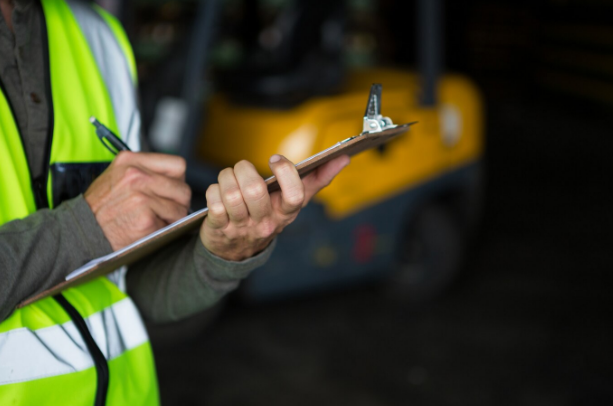
When constructing large buildings or structures in Florida, ensuring compliance with safety regulations is paramount. One critical aspect of this process is threshold inspection – a specialized examination required by law for certain types of construction projects. But what exactly does threshold inspection entail, and why is it so important? This article explores the key benefits of threshold inspection, the role of threshold inspection professionals, and why compliance in Florida is crucial. What is Threshold Inspection? Threshold inspection is a specialized structural review conducted during the construction of significant buildings. Typically, buildings that exceed three stories or 50 feet in height, or those with an assembly occupancy of more than 5,000 square feet, fall under the threshold inspection category. A licensed threshold inspection professional, typically a structural engineer, evaluates critical load-bearing components to ensure compliance with the Florida Building Code (FBC) and project-specific engineering plans. The goal is to prevent structural failures and ensure public safety. Why is Threshold Inspection Important? 1. Ensures Structural Integrity The primary purpose of a threshold inspection is to verify that a structure is built according to safety standards and engineering plans. Inspectors review elements like load-bearing walls, foundations, and reinforced concrete components to ensure they can withstand environmental and operational stresses. 2. Legal Compliance & Code Adherence In Florida, failing to comply with threshold inspection requirements can lead to costly penalties, project delays, and potential legal liabilities. A certified inspector ensures that all aspects of the project align with state laws and the Florida Building Code. 3. Reduces Risk of Structural Failures By conducting thorough inspections at different construction stages, threshold inspectors help mitigate risks associated with substandard construction practices. This reduces the likelihood of structural collapses, which can lead to injuries, fatalities, and financial losses. 4. Enhances Public Safety Since many threshold buildings accommodate large groups of people, ensuring safety is crucial. From office complexes to high-rise condominiums, threshold inspections help protect both occupants and passersby from potential hazards. 5. Prevents Costly Repairs & Rework Identifying and correcting structural issues during construction is far more cost-effective than making repairs after project completion. Threshold inspections help developers avoid expensive rework by ensuring proper construction practices from the start. What Do Threshold Inspection Professionals Do? A threshold inspection professional in Florida carries out multiple responsibilities throughout the construction process. These include: Reviewing architectural and structural plans before construction begins. Conducting on-site evaluations at different construction phases. Documenting compliance with Florida Building Code and approved engineering designs. Identifying potential safety concerns and recommending corrective actions. Coordinating with project stakeholders, including contractors, engineers, and building officials. Hiring a qualified and experienced threshold inspection professional is essential to meet regulatory standards and ensure a project’s long-term success. Threshold Inspection in Florida: Why It Matters Florida’s unique environmental conditions, including hurricanes and high humidity, make structural integrity a top priority. Given these factors, threshold inspection in Florida plays a critical role in ensuring that buildings can withstand extreme weather conditions. Key reasons why threshold inspections are vital in the state include: Hurricane Resistance Florida is prone to hurricanes, and buildings must be constructed to withstand high winds and heavy rainfall. Threshold inspections help verify that essential structural components meet hurricane-resistant standards. Soil & Foundation Considerations Florida’s soil conditions can vary, affecting a building’s foundation. A threshold inspector assesses the foundation’s stability to ensure longevity and safety. High-Rise Safety Standards With Florida’s growing number of high-rise buildings, threshold inspections are essential for maintaining safety standards, particularly in coastal cities like Miami, Tampa, and Orlando. How to Choose the Right Threshold Inspection Professionals When selecting a threshold inspection professional for your construction project, consider the following factors: Licensing & Certification Ensure the inspector holds the necessary licenses and certifications required by the state of Florida. Licensed structural engineers typically perform these inspections. Experience & Expertise Look for professionals with a strong background in structural engineering and experience handling projects similar to yours. Reputation & Reviews Check for client testimonials, online reviews, and industry reputation to gauge the inspector’s reliability and quality of service. Knowledge of Florida Building Code A qualified threshold inspection professional should have in-depth knowledge of the latest Florida Building Code updates and local construction regulations. Communication & Reporting Clear communication and detailed reporting are essential for an effective inspection process. Choose an inspector who provides thorough documentation and works collaboratively with your construction team. Conclusion Threshold inspection is a crucial aspect of construction projects in Florida, ensuring compliance with safety regulations and preventing structural failures. By hiring experienced threshold inspection professionals, developers can safeguard their investments, protect public safety, and avoid costly legal issues. If you’re planning a large-scale construction project in Florida, partnering with a reputable threshold inspection service like Souffront Engineering & Consulting can ensure compliance and structural integrity from start to finish. By prioritizing threshold inspection, developers and construction professionals can create safe, long-lasting buildings that adhere to Florida’s stringent building regulations. Contact us today to learn more about how we can assist with your project! FAQs 1. What is a threshold inspection? A threshold inspection is a specialized structural evaluation required for large buildings in Florida to ensure compliance with safety codes and engineering standards. 2. Who is responsible for conducting a threshold inspection? Licensed structural engineers or certified threshold inspection professionals perform these inspections, ensuring compliance with Florida’s building regulations. 3. Why is threshold inspection necessary in Florida? Florida’s high-risk weather conditions, including hurricanes and heavy rainfall, make structural integrity essential. Threshold inspections help ensure buildings are safe and durable. 4. What happens if a building fails a threshold inspection? If a building does not meet required standards, corrective actions must be taken before construction can proceed. This prevents future safety hazards and legal complications. 5. How can Souffront Engineering & Consulting help with threshold inspections? Souffront Engineering & Consulting provides expert threshold inspection services in Florida, ensuring compliance with safety codes and offering reliable structural assessments.
Unlocking Hidden Issues: The Power of Infrared Thermography Inspection

In the world of property maintenance, construction, and electrical diagnostics, identifying hidden issues before they escalate is crucial. Infrared thermography inspection has emerged as a game-changer, allowing professionals to detect problems that are invisible to the naked eye. From electrical hotspots to insulation deficiencies and water leaks, infrared imaging provides a non-invasive way to uncover potential hazards before they cause serious damage. In this blog, we will explore the importance of infrared thermography inspection Miami-Dade, its applications, and why hiring infrared thermography inspection professionals is a smart decision for property owners and businesses. What is Infrared Thermography Inspection? Infrared thermography inspection is a non-destructive diagnostic technique that uses thermal imaging cameras to detect temperature variations in a structure or system. These temperature variations help identify electrical faults, moisture intrusions, HVAC inefficiencies, and structural weaknesses that may not be visible through conventional inspections. Infrared cameras capture heat signatures emitted by objects and display them as images, making it easier for professionals to analyze potential problem areas. This technology is widely used in residential, commercial, and industrial settings to prevent costly failures and improve safety. Benefits of Infrared Thermography Inspection 1. Early Problem Detection Infrared imaging allows for the early detection of electrical faults, water leaks, and insulation gaps before they lead to costly repairs or hazardous situations. 2. Non-Invasive and Safe Unlike traditional inspection methods that require dismantling structures or systems, infrared thermography is non-invasive. It allows professionals to conduct thorough assessments without disrupting operations or damaging property. 3. Improved Energy Efficiency Infrared inspections help identify areas of energy loss, such as poorly insulated walls, HVAC leaks, and inefficient electrical systems. Addressing these issues can lead to significant energy savings. 4. Fire Prevention Electrical hotspots caused by overloaded circuits, loose connections, or faulty wiring can be detected before they turn into serious fire hazards. Regular infrared thermography inspection ensures electrical safety in residential, commercial, and industrial buildings. 5. Cost Savings Preventive maintenance through infrared thermography helps reduce unexpected breakdowns and costly emergency repairs. Businesses and property owners can address minor issues before they escalate into major problems. Applications of Infrared Thermography Inspection 1. Electrical Inspections Detects overheating in electrical panels, breakers, and wiring. Identifies overloaded circuits and loose connections. Helps prevent potential electrical failures and fires. 2. Building Inspections Detects moisture intrusion in roofs, walls, and foundations. Identifies insulation deficiencies that cause energy loss. Locates structural defects that compromise building integrity. 3. HVAC System Inspections Identifies leaks in ductwork and inefficient heating or cooling systems. Detects clogged filters and malfunctioning HVAC components. Helps optimize HVAC performance for better energy efficiency. 4. Mechanical and Industrial Inspections Monitors overheating machinery and mechanical components. Identifies failing bearings, motors, and compressors. Prevents costly industrial equipment failures. 5. Roof and Waterproofing Inspections Detects trapped moisture beneath roofing materials. Identifies leaks before they cause structural damage. Helps property owners maintain their roofing systems effectively. Why Choose Souffront for Infrared Thermography Inspection? At Souffront Construction & Engineering, we specialize in infrared thermography inspection Miami-Dade to help property owners, businesses, and industrial facilities ensure safety and efficiency. Our team of certified experts uses advanced thermal imaging technology to detect potential issues with accuracy and reliability. What Sets Us Apart? Certified Inspection Professionals: Our team consists of highly trained infrared thermography inspection professionals with years of experience in the field. State-of-the-Art Technology: We use cutting-edge thermal imaging cameras to capture high-resolution infrared images for precise diagnostics. Comprehensive Reports: Our detailed inspection reports provide actionable insights to help clients address detected issues efficiently. Prompt and Reliable Services: We prioritize quick response times and reliable services to ensure minimal disruption to your property or business operations. Conclusion Infrared thermography inspection is a powerful tool for detecting hidden problems in electrical, mechanical, and structural systems. Whether you own a residential property, a commercial building, or an industrial facility, regular infrared thermography inspection can save you time, money, and potential hazards. At Souffront Construction & Engineering, we take pride in offering top-tier infrared thermography inspection professionals who deliver accurate and reliable assessments. Contact us today to schedule an inspection and protect your property from unseen dangers. Schedule an Infrared Thermography Inspection Today FAQs How often should I schedule an infrared thermography inspection? It is recommended to have an infrared thermography inspection annually for electrical systems, HVAC units, and mechanical equipment. For building structures, inspections should be scheduled based on the property’s condition and environmental factors. What can infrared thermography detect that other inspections can’t? Infrared thermography can detect hidden electrical faults, moisture intrusion, insulation gaps, and HVAC inefficiencies that may not be visible during a standard visual inspection. Is infrared thermography safe for electrical inspections? Yes, it is completely safe. Infrared inspections are non-contact, meaning they can be conducted without touching live electrical components, making them a safe method for assessing electrical systems. How much does an infrared thermography inspection cost? The cost varies depending on the size of the property and the type of inspection required. Contact Souffront Construction & Engineering for a personalized quote. Why should I choose Souffront for my infrared thermography inspection? Souffront provides expert infrared thermography inspection Miami-Dade services with certified professionals, high-end technology, and comprehensive reports to help property owners maintain safety and efficiency.
Seawall Inspection: Why It’s Essential for Coastal Properties

Seawalls play a critical role in protecting coastal properties from erosion, flooding, and storm damage. However, just like any other structure, seawalls require regular maintenance and inspections to remain effective. A comprehensive seawall inspection helps identify potential weaknesses before they lead to costly repairs or catastrophic failures. In this article, we explore the benefits of seawall inspection, the role of seawall inspection professionals, and why regular evaluations are crucial in Florida. What is a Seawall Inspection? A seawall inspection is a professional assessment of the structural integrity, stability, and functionality of a seawall. These inspections are conducted by licensed engineers or seawall inspection professionals who evaluate the condition of the structure and recommend necessary repairs or reinforcements. During a seawall inspection, specialists check for: Cracks and fractures in the seawall structure Signs of erosion or soil loss behind the seawall Water seepage through the seawall Corrosion of reinforcing materials Foundation settlement or movement Overall stability and design effectiveness By identifying these issues early, property owners can take proactive measures to maintain their seawalls and prevent costly damages. Benefits of Regular Seawall Inspections 1. Prevents Structure Failure Seawalls endure constant exposure to water, wind, and environmental forces, making them susceptible to degradation. Regular inspections ensure that structural weaknesses are detected and repaired before they become serious problems. 2. Extends the Lifespan of Seawalls Proper maintenance based on inspection results can significantly extend the lifespan of a seawall. Addressing minor issues early prevents extensive deterioration and reduces the need for complete replacements. 3. Ensures Compliance with Local Regulations In Florida, seawall structures must comply with local environmental and safety regulations. A seawall inspection conducted by qualified professionals ensures that your seawall meets all legal requirements, avoiding potential fines or penalties. 4. Protects Coastal Properties from Flooding & Erosion Seawalls serve as the first line of defense against coastal erosion and flooding. Regular inspections help maintain their effectiveness in preventing land loss and water intrusion into properties. 5. Saves Money on Major Repairs Addressing minor seawall issues during routine inspections prevents the need for expensive emergency repairs or full seawall replacements. Preventative maintenance is always more cost-effective than reactive repairs. What Do Seawall Inspection Professionals Do? Seawall inspection professionals play a crucial role in assessing and maintaining coastal defense structures. Their responsibilities include: Conducting on-site evaluations of seawall materials and construction integrity Identifying and documenting existing or potential damage Performing stability tests and soil assessments Providing maintenance and repair recommendations Ensuring compliance with environmental and safety regulations Hiring experienced seawall inspection professionals is essential for obtaining accurate assessments and reliable repair solutions. Why Seawall Inspections Are Essential in Florida Florida’s coastline is constantly exposed to harsh environmental conditions, including hurricanes, rising sea levels, and saltwater corrosion. These factors make seawall inspections even more critical for property owners in the state. Here’s why regular inspections are necessary: Hurricane & Storm Protection Seawalls in Florida must withstand powerful storms and hurricanes. Regular inspections ensure that seawalls remain structurally sound and capable of providing protection during extreme weather events. Saltwater Corrosion & Erosion Saltwater accelerates the corrosion of seawall materials, leading to structural weaknesses over time. Seawall inspections help detect early signs of corrosion and prevent further damage. Compliance with Florida Coastal Regulations Florida has strict regulations regarding coastal development and seawall maintenance. Routine inspections help property owners stay compliant with these regulations, avoiding legal complications. Preserving Property Value A well-maintained seawall enhances property value by ensuring long-term protection against erosion and flooding. Regular inspections reassure potential buyers that the property is safeguarded against coastal risks. How to Choose the Right Seawall Inspection Professionals When selecting a seawall inspection professional, consider the following factors: 1. Licensing & Certification Choose a licensed and certified inspection professional with expertise in coastal engineering and seawall evaluations. 2. Experience in Seawall Assessments An inspector with experience in evaluating seawalls across different environments will provide more accurate assessments and solutions. 3. Use of Advanced Inspection Techniques Look for professionals who utilize advanced inspection methods, such as sonar scanning and underwater assessments, to detect hidden structural issues. 4. Knowledge of Florida’s Coastal Conditions An inspector familiar with Florida’s coastal environment and regulatory standards will provide the best recommendations for maintaining seawall integrity. 5. Detailed Reporting & Recommendations A reliable inspector should provide a thorough report with clear findings and actionable repair or maintenance suggestions. Conclusion Seawall inspections are an essential part of coastal property maintenance, ensuring that seawalls remain structurally sound and effective in preventing erosion and flooding. Regular inspections by experienced seawall inspection professionals help property owners protect their investments, comply with Florida regulations, and extend the lifespan of their seawalls. If you own a coastal property in Florida, scheduling a professional seawall inspection with Souffront Construction & Engineering is the best way to safeguard your property against structural failures and environmental threats. Contact us today to learn more about our seawall inspection services. FAQs What is included in a seawall inspection? A seawall inspection includes an assessment of structural integrity, erosion effects, water seepage, foundation stability, and corrosion of reinforcing materials. How often should I have my seawall inspected? It is recommended to have a seawall inspection every 1-2 years, or more frequently if the seawall is exposed to severe weather conditions or visible damage. What are common signs that a seawall needs repair? Signs of seawall damage include visible cracks, soil loss behind the wall, water seepage, leaning or bowing of the structure, and corrosion of materials. What happens if a seawall fails? If a seawall fails, it can lead to severe property damage, increased erosion, flooding, and costly repairs. Regular inspections help prevent such failures. How can Souffront Construction & Engineering help with seawall inspections? Souffront Construction & Engineering provides expert seawall inspection services in Florida, ensuring compliance with safety standards and offering professional repair recommendations. By prioritizing seawall inspections, property owners can maintain the safety and longevity of their coastal structures, protecting both their investments and the environment.
The Importance of Electrical Inspections: Ensuring Safety and Compliance in Miami-Dade
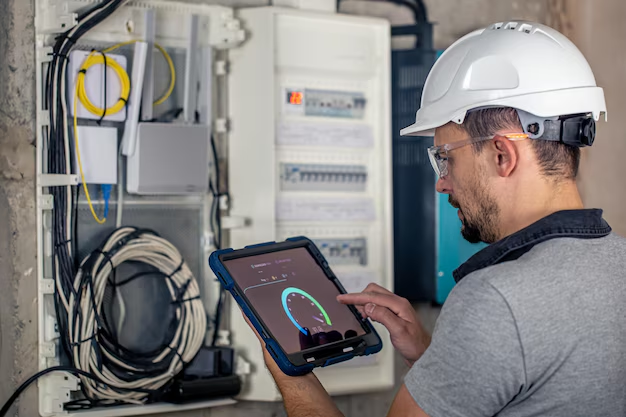
Electrical inspections are a crucial aspect of maintaining the safety and efficiency of residential, commercial, and industrial properties. Whether you are purchasing a new property, experiencing electrical issues, or ensuring compliance with local regulations, a professional electrical inspection can help identify potential hazards before they become costly problems. In Miami-Dade, where building codes and safety standards are strictly enforced, hiring electrical inspection professionals is essential for property owners. In this blog, we will explore the significance of electrical inspections, the benefits they offer, and why electrical inspection Miami-Dade services are indispensable for residents and businesses. What is an Electrical Inspection? An electrical inspection is a comprehensive assessment of a property’s electrical system, conducted by a licensed professional. The purpose of the inspection is to ensure that all electrical components, including wiring, outlets, circuit breakers, and panels, meet safety standards and comply with the National Electrical Code (NEC) and local Miami-Dade regulations. Electrical inspections are typically required for: New construction projects Renovations and remodeling Property sales or purchases Insurance compliance Troubleshooting electrical issues During the inspection, professionals check for hazards such as outdated wiring, overloaded circuits, improper grounding, and potential fire risks. Identifying these issues early can prevent electrical failures and costly repairs. Benefits of Electrical Inspections 1. Ensuring Safety Faulty electrical systems are a leading cause of residential and commercial fires. A thorough electrical inspection helps identify risks such as exposed wiring, overloaded circuits, and defective electrical panels before they lead to dangerous situations. 2. Compliance with Miami-Dade Regulations Miami-Dade has stringent building codes and electrical safety standards. Failure to comply with these regulations can result in fines, legal issues, and property devaluation. Professional electrical inspection Miami-Dade services ensure your property meets all legal requirements. 3. Preventing Costly Repairs Ignoring minor electrical problems can lead to significant expenses in the future. Routine inspections help detect potential issues early, allowing for timely repairs and avoiding costly emergency fixes. 4. Enhancing Energy Efficiency An inefficient electrical system can increase energy bills. Inspections can reveal outdated wiring, faulty circuits, or energy-wasting appliances that need upgrading, leading to improved energy efficiency and cost savings. 5. Boosting Property Value Whether you’re selling or renting a property, having a recent electrical inspection report reassures potential buyers or tenants about the safety and reliability of the electrical system, enhancing property value and marketability. Common Electrical Issues Found During Inspections Outdated Wiring – Older homes may still have aluminum or knob-and-tube wiring, which poses a fire hazard and should be replaced. Overloaded Circuits – Too many appliances connected to a single circuit can cause overheating and potential fire hazards. Faulty Electrical Panels – Panels with recalled or outdated breakers can lead to power surges and electrical failures. Improper Grounding – Without proper grounding, excess electricity may damage appliances or cause electrical shocks. Exposed Wiring – Damaged or exposed wires increase the risk of electrocution and fires. Why Choose Souffront for Electrical Inspections? At Souffront, we specialize in comprehensive electrical inspection services tailored to the specific needs of Miami-Dade residents and businesses. Our certified professionals bring years of expertise in electrical safety and compliance, ensuring that your property meets all regulatory requirements. What Sets Us Apart? Certified Electrical Inspectors – Our team consists of licensed experts with extensive knowledge of the National Electrical Code (NEC) and Miami-Dade regulations. Comprehensive Reports – We provide detailed inspection reports outlining any potential hazards and recommended corrective actions. Advanced Diagnostic Tools – We use state-of-the-art equipment to detect hidden electrical faults. Fast and Reliable Service – We understand the importance of timely inspections and provide prompt, efficient services. Conclusion Regular electrical inspections are essential for ensuring the safety, efficiency, and compliance of your property’s electrical system. Whether you’re a homeowner, business owner, or real estate investor, hiring professional electrical inspection Miami-Dade services can save you from potential hazards and costly repairs. At Souffront, we are committed to providing top-tier electrical inspection professionals to help safeguard your property. Contact us today to schedule an inspection and ensure your electrical systems are safe and up to code! FAQs How often should I schedule an electrical inspection? It is recommended to have an electrical inspection every 3-5 years for residential properties and more frequently for commercial and industrial buildings. What is included in a professional electrical inspection? An electrical inspection covers wiring systems, electrical panels, circuit breakers, grounding, outlets, light fixtures, and compliance with safety codes. How much does an electrical inspection cost in Miami-Dade? The cost varies based on the size of the property and the complexity of the inspection. Contact Souffront for a detailed quote. Can I perform an electrical inspection myself? It is highly recommended to hire licensed electrical inspection professionals since they have the expertise and tools to detect issues accurately and ensure compliance with legal standards. Why should I choose Souffront for electrical inspections? Souffront provides expert electrical inspection services with certified professionals, detailed reports, and compliance assurance in Miami-Dade. We prioritize safety, accuracy, and customer satisfaction.
Milestone Inspections in Florida: Ensuring Safety and Compliance

Introduction Florida’s property landscape is characterized by its unique coastal environment and stringent safety regulations. Among these regulations, milestone inspections have become a cornerstone of ensuring structural integrity and compliance for older buildings. Implemented to address safety concerns and mitigate risks, milestone inspections are essential for property owners aiming to maintain their investments and ensure occupant safety. In this guide, we’ll explore what milestone inspections are, their benefits, and the critical reasons they are mandated for Florida buildings. If you own or manage a property, understanding this process is vital to protecting your asset and its occupants. What is a Milestone Inspection in Florida? A milestone inspection is a comprehensive evaluation of a building’s structural and foundational integrity. This inspection is mandatory for certain buildings in Florida, especially those aging beyond 30 years. It is conducted by licensed engineers or architects to identify potential issues that could compromise the safety of the building or its occupants. Key Focus Areas: Structural Integrity: Assessing the building’s foundation, columns, beams, and load-bearing walls. Material Degradation: Identifying wear and tear caused by environmental factors like humidity, salt, and age. Maintenance Gaps: Highlighting neglected areas that require immediate attention to prevent further damage. Reasons for Milestone Building Inspections Addressing Aging Infrastructure Florida’s climate poses unique challenges for buildings, including exposure to humidity, salt air, and hurricanes. These factors accelerate the wear and tear of structural components, making inspections critical for identifying vulnerabilities. Preventing Structural Failures High-profile incidents, such as the Surfside condominium collapse, have highlighted the importance of proactive building evaluations. Milestone inspections aim to prevent such tragedies by catching potential issues early. Legal Compliance Florida law mandates milestone inspections for certain buildings, particularly those older than 30 years and within three miles of the coastline. Compliance ensures property owners avoid penalties or legal complications. Protecting Property Investments Regular inspections help maintain the value of a property by addressing issues before they escalate into costly repairs. Enhancing Occupant Safety The primary goal of milestone inspections is to ensure that residents and visitors are safe from structural hazards. Benefits of Milestone Inspections in Florida 1. Improved Safety Identifying structural deficiencies early minimizes the risk of accidents or collapses. 2. Cost-Effective Repairs Regular inspections help address minor issues before they turn into major, costly repairs. 3. Compliance with Regulations Adhering to Florida’s milestone inspection requirements helps property owners avoid fines and ensures a positive relationship with regulatory authorities. 4. Increased Property Value Buildings with a clean inspection history are more appealing to buyers and tenants, preserving or even increasing their market value. 5. Peace of Mind For property owners and residents alike, milestone inspections provide assurance that the building is safe and well-maintained. The Milestone Inspection Process 1. Pre-Inspection Planning Property owners must hire a licensed engineering or architectural firm, such as Souffront Engineering, to conduct the inspection. 2. Phase One: Visual Examination Engineers perform a thorough visual inspection of the building’s exterior and accessible interior areas. If no substantial issues are found, the inspection may conclude at this phase. 3. Phase Two: Detailed Analysis If concerns are identified during Phase One, a more in-depth evaluation is conducted. This includes destructive testing, material sampling, and structural calculations to assess the extent of damage. 4. Report Submission A detailed report is submitted to the property owner and local authorities. The report outlines findings, recommended actions, and deadlines for repairs. 5. Follow-Up Inspections After repairs are completed, a follow-up inspection may be required to confirm compliance. Common Challenges in Milestone Inspections 1. Unforeseen Costs Unexpected repair costs can arise if significant structural issues are discovered. Solution: Regular maintenance and periodic assessments can mitigate expensive repairs. 2. Delays in Compliance Owners who delay inspections risk penalties or jeopardize occupant safety. Solution: Partnering with an experienced firm like Souffront Engineering ensures timely completion. 3. Access to Documentation Older buildings may lack accurate blueprints or maintenance records. Solution: Work with professionals who can conduct detailed investigations without relying heavily on historical documents. Why Partner with Souffront Engineering? At Souffront Engineering, we understand the complexities of milestone inspections in Florida. Our team of licensed engineers combines expertise, precision, and a customer-first approach to deliver: Comprehensive Assessments: Thorough evaluations that leave no detail overlooked. Timely Reports: Detailed, actionable reports that meet regulatory requirements. Repair Guidance: Expert recommendations to help you address deficiencies efficiently. Cost-Effective Solutions: Tailored services to suit your building’s unique needs and budget. Contact Souffront Engineering today to schedule your milestone inspection and ensure your property’s safety and compliance for years to come. FAQs 1. What buildings in Florida require milestone inspections? Buildings over 30 years old, especially those within three miles of the coastline, are required to undergo milestone inspections. Specific requirements may vary by municipality. 2. How often should milestone inspections be conducted? After the initial milestone inspection at 30 years, subsequent inspections are typically required every 10 years. 3. Can a milestone inspection be completed in one phase? Yes, if no significant issues are identified during the Phase One visual inspection, the process can conclude without requiring Phase Two. 4. What should property owners do if a building fails a milestone inspection? Owners must address deficiencies by performing the recommended repairs. A follow-up inspection will confirm compliance. 5. Why choose Souffront Engineering for milestone inspections in Florida? Souffront Engineering offers expertise, reliability, and a customer-centric approach to ensure your building meets all milestone inspection requirements with minimal disruption.
40-Year Building Recertification Inspection: A Comprehensive Guide for Florida Property Owners
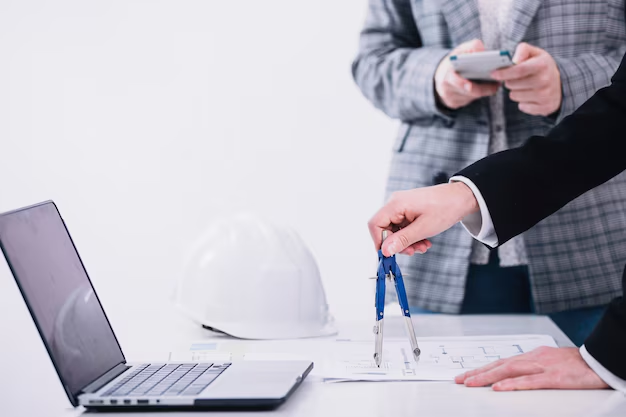
Introduction Florida’s 40-Year Building Recertification Inspection is a critical milestone for property owners. Mandated by various municipalities across the state, this inspection ensures buildings meet current safety and structural integrity standards. For owners of aging properties, understanding this process is essential to maintaining compliance, protecting tenants, and avoiding fines or penalties. In this blog, we’ll dive deep into the purpose of the 40-Year Recertification in Florida, what the inspection involves, and why partnering with an experienced engineering firm like Souffront Engineering is key to seamless compliance. What is the 40-Year Building Recertification Inspection? The 40-Year Recertification Inspection is a safety measure established to evaluate the structural and electrical systems of buildings that are 40 years or older. Initiated in Miami-Dade and Broward counties, the program has become a statewide standard to ensure older properties remain safe for occupants. Purpose of the Inspection: Safety Compliance: Detect potential hazards in aging structures. Modernization: Align older buildings with updated codes. Longevity: Extend the building’s useful life through repairs and maintenance. Liability Prevention: Mitigate risks associated with property damage or injury. Who Needs a 40-Year Inspection? The inspection applies to: Buildings over 3,500 square feet that are 40 years old or older. Structures in Miami-Dade and Broward counties, with other Florida counties adopting similar requirements. Exemptions: Single-family homes, duplexes, and minor structures (e.g., sheds or utility spaces under specific size thresholds) are typically excluded. Key Components of the 40-Year Recertification 1. Structural Inspection Objective: Assess the condition of the foundation, walls, roofs, balconies, and floors. Focus Areas: Cracks, water intrusion, corrosion, and material degradation. 2. Electrical Inspection Objective: Ensure electrical systems meet modern safety standards. Focus Areas: Wiring, panels, grounding systems, and circuit breakers. 3. Documentation Review Reviewing blueprints, maintenance records, and past inspections to provide context for findings. 4. Report Submission Engineers provide a detailed report summarizing their findings. Recommendations for repairs or updates must be addressed to achieve compliance. Steps in the 40-Year Recertification Process Hire a Certified Engineer Partner with a qualified engineering firm like Souffront Engineering, experienced in Florida’s recertification process. Initial Inspection Engineers conduct a thorough evaluation of structural and electrical components. Report Preparation A formal report is submitted to the local building department, outlining findings and recommendations. Repair Phase Address deficiencies identified in the report. Repairs must comply with current Florida Building Code standards. Final Approval Once repairs are completed, a follow-up inspection is conducted to confirm compliance. Why is the 40-Year Inspection Crucial? Legal Compliance Non-compliance can result in hefty fines, building closure, or legal action. Property Value Retention A compliant building is more attractive to buyers and tenants, protecting long-term investment. Safety Assurance Regular assessments prevent structural failures, electrical hazards, or other risks. Cost Savings Early detection of issues can save property owners from expensive emergency repairs. Choosing the Right Partner for Your 40-Year Recertification At Souffront Engineering, we specialize in helping Florida property owners navigate the 40-Year Recertification process with ease. Our team of licensed engineers provides: Comprehensive inspections. Clear and actionable reports. Guidance on repairs to ensure compliance. By choosing Souffront Engineering, you gain access to local expertise and a commitment to excellence that ensures your building meets the highest safety standards. Common Challenges and How to Overcome Them 1. Delays in Repairs Solution: Work with a reputable contractor to address deficiencies promptly. 2. Misunderstanding Compliance Requirements Solution: Partner with experienced professionals who understand Florida’s regulations. 3. High Repair Costs Solution: Preventative maintenance can reduce repair expenses over time. 4. Difficulty in Documentation Solution: Ensure you maintain detailed maintenance and inspection records for your property. The Role of Souffront Engineering in Your Inspection With years of experience in structural and electrical inspections, Souffront Engineering provides tailored solutions to property owners across Florida. Our process is designed to simplify compliance, minimize disruption, and prioritize safety. Whether you need a 40-Year Recertification Inspection or guidance on repairs, we’re here to help. Contact Souffront Engineering today to schedule your 40-Year Recertification Inspection and safeguard your property’s future. FAQs 1. What happens if my building fails the 40-Year Inspection? If your building fails the inspection, you must address the deficiencies outlined in the report. Repairs must be completed and verified through a follow-up inspection to achieve compliance. 2. How much does a 40-Year Recertification Inspection cost? The cost varies based on building size, complexity, and location. Contact Souffront Engineering for a detailed estimate tailored to your property. 3. Are there penalties for non-compliance with the 40-Year Inspection requirement? Yes, property owners may face fines, legal actions, or potential building closure if they fail to comply. 4. Can I prepare my building for the inspection in advance? Yes, preventative maintenance, such as repairing visible structural issues and updating electrical systems, can improve inspection outcomes. 5. Why should I choose Souffront Engineering for my 40-Year Inspection? Souffront Engineering offers expert guidance, comprehensive inspections, and personalized support to ensure your property complies with Florida’s requirements seamlessly.
Financial Planning for 40-Year Recertification: Budgeting for Repairs and Inspections

Did you know Florida condo associations must do a detailed reserve study every 10 years? The first reports for existing buildings are due by December 31, 2024. As buildings get older, planning for the 40-year recertification is key. It’s important for budgeting repairs and inspections. Good budgeting keeps your building safe and its value high. It also makes sure you follow state laws. Without a solid plan, unexpected costs can hurt your association’s finances and resident safety. In Florida, not funding reserves fully can lead to big penalties. So, understanding financial planning for 40-year recertification is crucial. It helps avoid risks and keeps your property’s value up. Key Takeaways Conduct reserve studies every 10 years to ensure financial preparedness. Budgeting for repairs is essential to maintain compliance and safety. Failure to fund reserves fully can lead to legal repercussions. Regular adjustments to the reserve fund are necessary to address property condition changes. Engaging professionals in reserve studies enhances accuracy and compliance. Understanding the Importance of Financial Planning for 40-Year Recertification Financial planning is key for 40-year recertification. It helps condominium associations save for repairs and upkeep. This keeps property values high, making everyone happy and reducing risks. Unexpected costs can stress owners. They might not be ready for sudden expenses or big repairs. The 40-year mark is also about following the law. It makes sure buildings are safe and meet state rules. This keeps everyone safe and sound. Good financial planning means knowing what’s needed and what’s not. It helps make smart choices based on money and rules. It’s about planning for the future and meeting community needs. Aspect Implications Legal Compliance Ensures structures meet state regulations, protecting residents. Property Value Preservation Fosters community satisfaction and prevents financial strain. Proactive Management Mitigates risk of surprising assessments through preparedness. Timely Repairs Addresses potential structural issues before they escalate. So, financial planning is crucial for 40-year recertification. It helps associations follow the law and keeps communities strong. The 40-Year Recertification Process: Key Components The 40-year recertification process is crucial for keeping buildings safe and sound. In Florida, it requires detailed checks on the building’s structure and electrical systems. The first check happens at 25 years, then every 10 years after that. This ensures buildings meet today’s safety standards. Mostly, commercial and big residential buildings go through this. It’s all about following the latest safety rules. The Role of Inspections in the Recertification Process Inspections are key in the 40-year recertification process. They look at important parts like foundations and walls. This can show if repairs are needed. Having the right documents ready makes the process smoother. This includes the building’s original plans and past inspection reports. Common Repairs and Their Cost Implications Inspections often find common repairs that are vital for a building’s health. These include fixing roofs, strengthening structures, and updating electrical or plumbing systems. Knowing the costs of these repairs is important and you get these from the certified, licensed inspectors who are qualified to carry out this job. Big repairs can mean big expenses. This might mean using reserve funds or even special assessments for owners. Planning ahead can help avoid financial problems. This is especially true in places where following safety rules is critical, like after the Champlain Towers collapse. Implementing a Reserve Study for Effective Budgeting A reserve study is key for property owners to plan for future repairs and maintenance in Florida condos. It looks at both the physical state of buildings and the financial needs for repairs. This helps in budgeting well, making sure there’s enough money for repairs without overburdening owners. What is a Reserve Study? A reserve study checks the condition and life left of important parts in condos or homeowners’ groups. It looks at ten key areas, like roofs, plumbing, and electrical systems. Buildings over 30 years old must follow Florida’s rules for reserve studies, thanks to laws like Senate Bill 4-D and Senate Bill 154. These laws require updates every ten years to ensure funds are set aside for repairs. These updates must include a detailed look at the building’s structure and estimate repair costs. This is vital for making solid plans for repairs. Legal Requirements for Reserve Studies in Florida Florida law says all Condo and Cooperative Associations must have a Structural Integrity Reserve Study (SIRS) by December 31, 2024. This is to keep older buildings safe and sound7. The SIRS report outlines what repairs are needed and how to fund them for up to 30 years. Not following these rules can lead to big fines and higher costs for associations. Component Details Roofing Regular inspections to assess lifespan and replacement needs. Plumbing Evaluation of pipe conditions and expected maintenance costs. Electrical Systems Comprehensive review of wiring and safety compliance. Fire Protection Assessment of existing systems to ensure safety standards. Load-Bearing Walls Critical inspection for structural integrity. General Maintenance Fund Provision for annual contributions towards future repairs. Understanding and using a reserve study is crucial. It keeps financial planning strong, follows Florida’s laws, and prepares for future maintenance needs. Strategies for Budgeting for Repairs and Inspections Creating a maintenance reserve fund is key for budgeting for repairs and inspections. This fund helps cover big repair costs as they come up. It keeps your finances stable, especially with new laws in Monroe County. Establishing a Maintenance Reserve Fund A maintenance reserve fund helps manage future costs well. It’s based on a detailed study of your building’s needs. Regularly adding to this fund is part of good budgeting. By planning for repairs, you follow the law and keep your property in good shape. Studies show this boosts your property’s value and appeal. Regular Funding Contributions: Best Practices Good budgeting means regular funding for your reserve fund. It’s important to update your reserve study often. This keeps your fund growing steadily. By sticking to this plan, you avoid big financial surprises. It keeps everyone informed about your property’s finances. Budgeting Strategy Best Practice Outcome Regular Reserve Fund